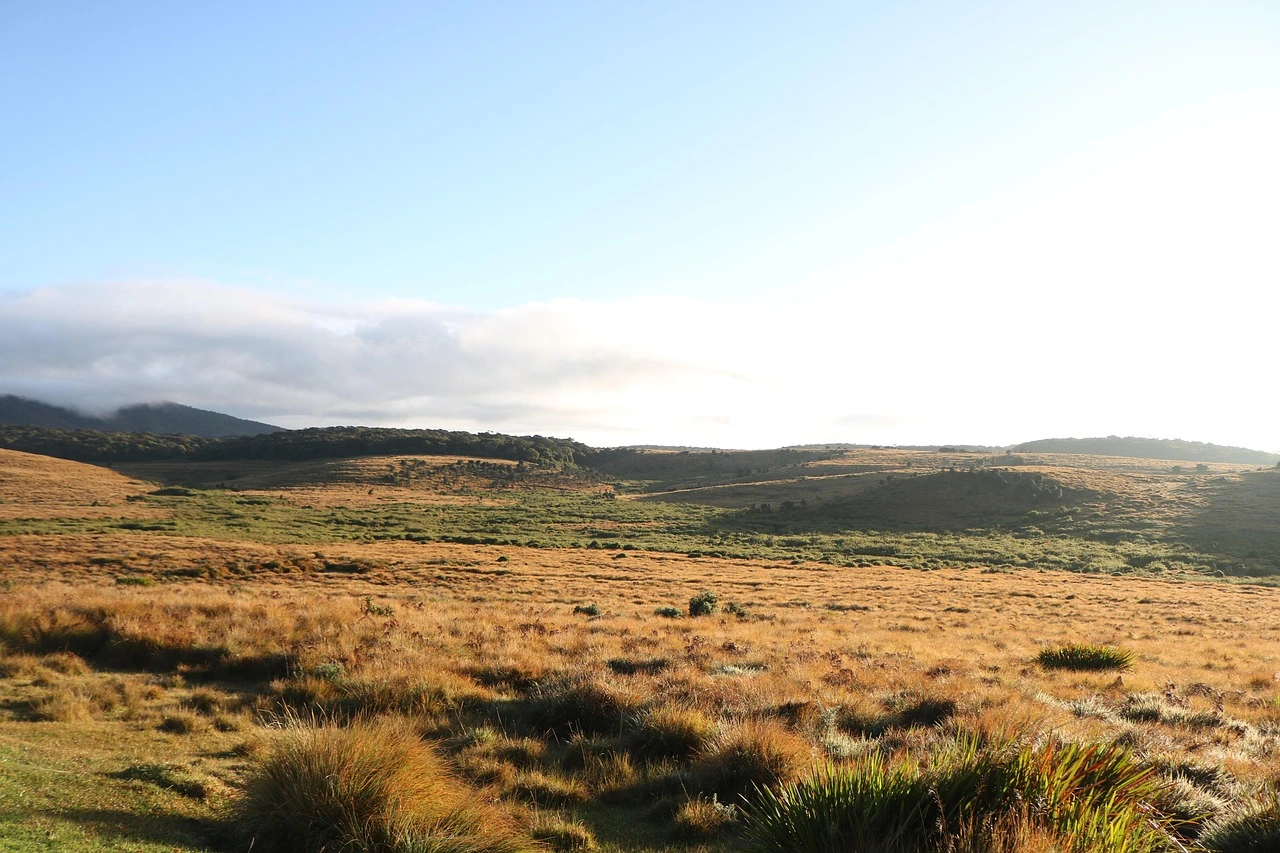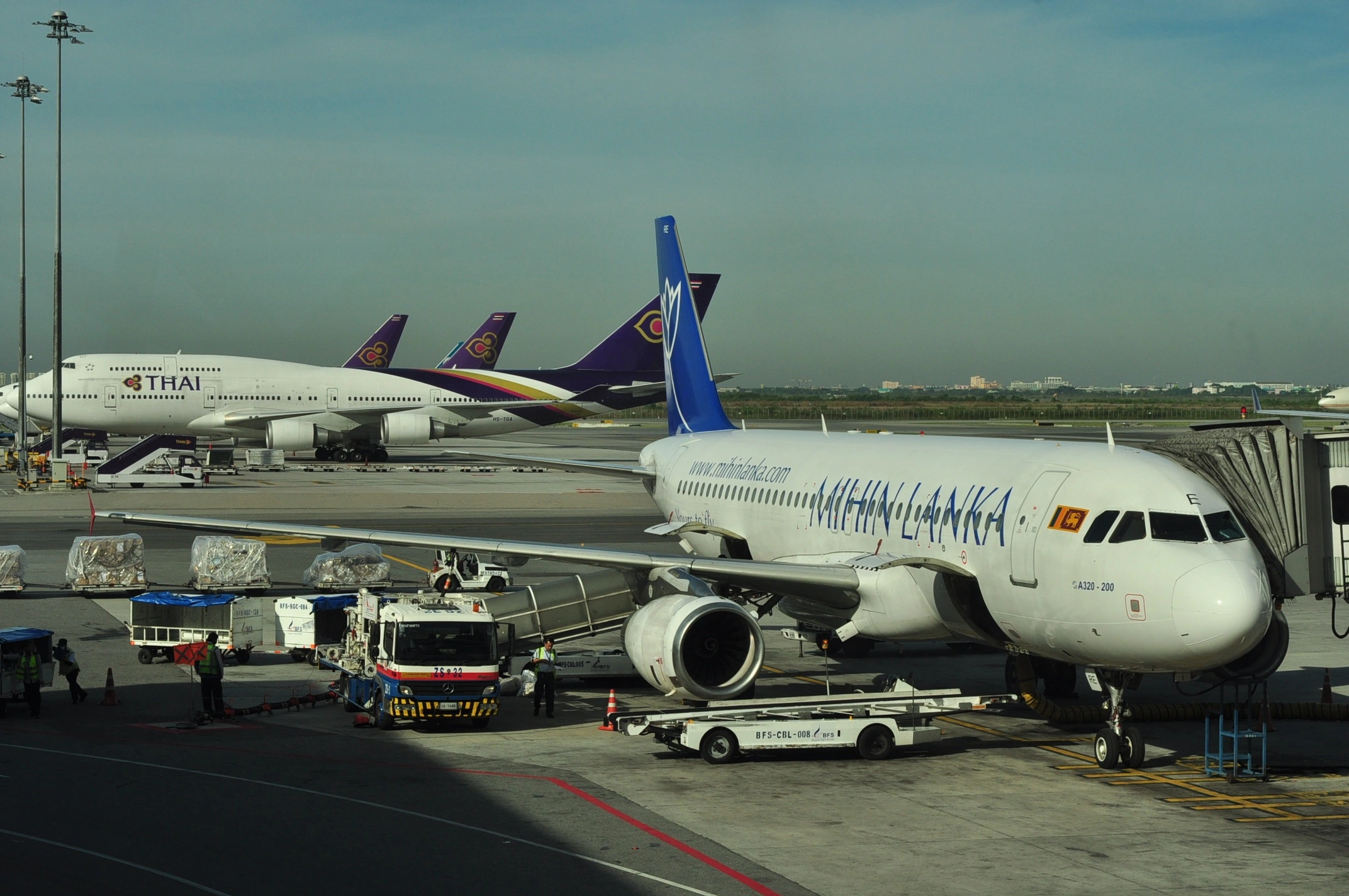
Sri Lanka is one of those places that looks small on a map but somehow fits in misty tea hills, ancient cities, surf beaches, wildlife safaris, and food you’ll daydream about long after you’ve left. The only unglamorous part is the admin: visas, passport rules, and the “what do I need at the airport?” questions that tend to pop up the night before a flight.
This guide is written to feel like advice from a well-travelled friend—clear, realistic, and focused on what actually matters when you’re trying to enter Sri Lanka smoothly.
Because entry rules can change (sometimes suddenly), use this as a strong starting point, then double-check your nationality’s current requirements on Sri Lanka’s official immigration/visa website and with your airline before you fly.
1) The basics: what most travellers need
For most visitors, Sri Lanka’s entry requirements boil down to:
- A valid passport (typically with at least 6 months validity remaining)
- A valid visa/entry authorization (often arranged online in advance)
- Proof of onward/return travel (sometimes asked for)
- Enough funds for your stay (rarely checked, but possible)
- Compliance with health and customs rules (especially if arriving from certain countries)
Let’s unpack each one in real-world terms.
2) Passport requirements (don’t skip this part)
Passport validity
Sri Lanka commonly requires that your passport be valid for at least 6 months beyond your date of arrival. This “6-month rule” is one of the most common reasons travellers get denied boarding by airlines—because airlines can be stricter than border control.
Tip: If you’re cutting it close (say 6 months minus a week), renew your passport. It’s not worth risking your whole trip.
Blank pages
You’ll want at least one or two blank pages for entry/exit stamps (especially if you have lots of stamps already). Some eVisa systems are digital, but stamps are still common.
Damaged passports
If your passport is water-damaged, torn, or has a loose cover, treat it like a problem even if it “still scans.” Airlines and immigration officers often reject damaged passports.
3) Do you need a visa for Sri Lanka?
In many cases, yes.
Sri Lanka has traditionally used an online pre-authorization system (often referred to as an ETA — Electronic Travel Authorization) and/or an eVisa process depending on nationality and current policy. The naming and platform have changed at times, which is why it’s important to check the official source for the latest process.
Common visitor categories
Most travellers enter Sri Lanka under one of these:
- Tourist visit (holidays, sightseeing, visiting friends/family)
- Business visit (meetings, conferences—usually not paid work)
- Transit (passing through on the way to another country)
- Longer stays (student, work, resident—more paperwork)
If you’re going for a normal holiday, you’re usually looking at a tourist authorization/visa.
4) Tourist entry: what it usually looks like
Typical tourist permission
Sri Lanka commonly offers a short-term tourist stay (often around 30 days initially for many nationalities, though this varies). In many cases, this can be extended once you’re in the country—more on that below.
You may be asked for:
Even if you already have a visa/ETA/eVisa approval, immigration officers can still ask for:
- Onward/return ticket
- Where you’re staying (first hotel address is often enough)
- Proof you can support yourself (bank card/cash, rarely requested but possible)
- Purpose of visit (keep it simple and truthful: “tourism”)
Human tip: Save your first accommodation confirmation and your flight details as PDFs on your phone. Airport Wi-Fi and data roaming can be unreliable when you most need them.
5) How to apply (the usual online process)
The exact steps depend on the official system in place at the time you apply, but the flow is typically:
- Go to the official Sri Lanka visa/immigration portal
- Choose tourist (or business/transit)
- Fill in details (passport info, dates, address, etc.)
- Pay the fee (fees vary by nationality and change over time)
- Receive an approval notice by email
- Print it or keep a digital copy to show airline staff and immigration
Documents you’ll commonly need for the application
- Passport biodata page details
- Travel dates
- Address in Sri Lanka (hotel name is fine)
- Email address (double-check it—approvals go here)
- Payment method for visa fee
Common mistake: People enter their passport number incorrectly or use a nickname instead of the name exactly as printed in the passport. Match your passport exactly—spacing and order included.
6) Visa on arrival vs. pre-approval (what to expect)
Depending on your nationality and current rules, Sri Lanka may allow certain travellers to obtain a visa/authorization on arrival—but many travellers are better off applying online first.
Why I generally recommend applying in advance
- Airlines often want to see proof of authorization before boarding
- Arrival lines can be long, especially during peak season
- If something goes wrong, you’d rather find out at home than at the counter after a long flight
If you’re considering visa-on-arrival, confirm:
- Whether it’s currently offered to your nationality
- Whether airlines accept it for boarding
- What payment methods are accepted at the airport
7) Transit requirements (quick but important)
If you’re only transiting through Sri Lanka (for example, a layover in Colombo) you may or may not need a transit visa depending on:
- Whether you leave the airport
- How long your layover is
- Your nationality
- Airline and airport procedures
Rule of thumb:
If you’re staying airside and not passing immigration, you often don’t need a visa—but don’t assume. If you want to leave the airport, even for a few hours, you may need the correct permission to enter.
8) Proof of onward travel and funds: will they really check?
Most travellers aren’t asked, but you should be prepared.
Onward/return ticket
Immigration can ask for proof that you’re leaving Sri Lanka within your permitted stay. Airlines may ask too.
If you’re travelling long-term and don’t have fixed plans, consider:
- A refundable onward ticket
- A confirmed bus/flight booking to a nearby country (only if it’s genuine)
- A flexible travel itinerary you can clearly explain
Funds
Sri Lanka doesn’t always demand a specific figure at the border for tourists, but immigration officers generally need to be satisfied you can support yourself.
Practical proof could include:
- A debit/credit card
- Recent bank app balance screenshot (if asked)
- Some cash (USD or local currency), though cards are widely used in tourist areas
9) Arrival process in Sri Lanka (what it feels like in real life)
If you arrive at Bandaranaike International Airport (Colombo), the process is usually:
- Disembark and follow signs to immigration
- Present passport + visa approval/authorization
- Answer a couple of simple questions (where you’re staying, how long)
- Get your entry stamp
- Collect bags
- Customs (often just walking through, unless you have declarations)
Tip: Keep a pen handy. Some airports require arrival details or forms, and the pen scramble is real.
10) Health entry requirements (vaccines, yellow fever, and what changed over time)
Sri Lanka’s health entry requirements can vary based on global health situations and your travel history.
Yellow fever certificate (important for some travellers)
Sri Lanka may require proof of yellow fever vaccination if you are arriving from (or transited through) a country with risk of yellow fever transmission. This is a common policy worldwide and is enforced in many countries.
If you’ve recently travelled in parts of Africa or South America, check whether you need:
- An International Certificate of Vaccination (yellow card)
Routine travel health advice (not usually mandatory)
While not typically required for entry, travellers often consider:
- Hepatitis A
- Typhoid
- Tetanus booster
- Dengue bite prevention (no vaccine requirement for entry, but mosquito protection matters)
Travel insurance (not always required, but genuinely smart)
Even when it’s not an official requirement, travel insurance can save you from:
- Paying out-of-pocket for private hospitals
- Expensive trip disruptions
- Lost baggage headaches
11) Customs rules: what you can and can’t bring
Customs rules can be detailed, but a few practical points help most travellers:
Declare if you’re carrying:
- Large amounts of currency (thresholds vary—check official guidance)
- High-value electronics in bulk (looks commercial)
- Medicines in large quantities
Be very careful with:
- Drugs and narcotics (strict penalties)
- Antiques and protected items (don’t buy coral, certain shells, or wildlife products)
- Drones (often require permission; rules can change and enforcement can be strict)
Real-world advice: If you’re travelling with prescription medication, carry it in original packaging and keep a photo of the prescription. It’s rarely an issue—until it is.
12) Extending your stay in Sri Lanka
A lot of travellers arrive thinking, “Two weeks will be plenty,” then find themselves in Ella eating roti and watching the rain in the hills thinking, “I could stay a little longer.”
Sri Lanka often allows tourist stay extensions, depending on your initial permission and nationality. Extensions are typically handled through official immigration channels and may require:
- Passport
- Current visa details
- Address in Sri Lanka
- Payment of extension fees
Important: Don’t overstay. Even if it’s just a couple of days, overstays can lead to fines, delays, and problems on future trips.
13) Special situations (where people accidentally break the rules)
“I’m volunteering for a week”
Volunteering can fall into a grey zone. If you’ll be working with an organization (especially anything that replaces paid labor), you may need something other than a standard tourist entry.
“I’m a digital nomad—I’ll work online”
Many people work remotely while travelling. Whether that is permitted under a tourist entry is a legal question that varies country-to-country, and policy enforcement can be inconsistent. If you want to be fully compliant, look into the appropriate long-stay/residence options and don’t assume a tourist entry covers work.
“I’m visiting my Sri Lankan partner/family”
That’s typically fine under tourist entry, but be ready to share:
- Where you’ll stay
- How long
- A return ticket
Children and minors
If a child is travelling with one parent or without parents, border officers in many countries can ask for:
- A letter of consent from the non-travelling parent(s)
- Proof of guardianship
- Birth certificate copy
Not always requested, but it’s one of those “if you need it and don’t have it, your day gets bad quickly” items.
14) A simple pre-flight checklist (save this and thank yourself later)
Passport
- Valid for at least 6 months after arrival
- Not damaged
- Has blank pages
Visa / Entry authorization
- Approved tourist/business/transit authorization (as required)
- PDF saved offline + printed copy (recommended)
Travel proofs
- Return/onward ticket
- First accommodation address/booking
Health
- Yellow fever certificate if applicable
- Travel insurance details accessible
Money & logistics
- A working bank card + backup
- Some cash for initial expenses
- Phone roaming/eSIM plan or plan to buy a local SIM
15) Where to verify the latest official requirements (don’t rely on random forums)
Because visa systems and entry rules can change, verify with:
- Sri Lanka’s official immigration/visa portal (government source)
- Your airline (they enforce boarding rules)
- Your country’s travel advisory (for updates and safety info)
If you tell me:
- your passport nationality,
- where you’re flying from, and
- how long you want to stay,
I can help you figure out the most likely visa path and what to prepare—without guesswork or outdated forum advice.