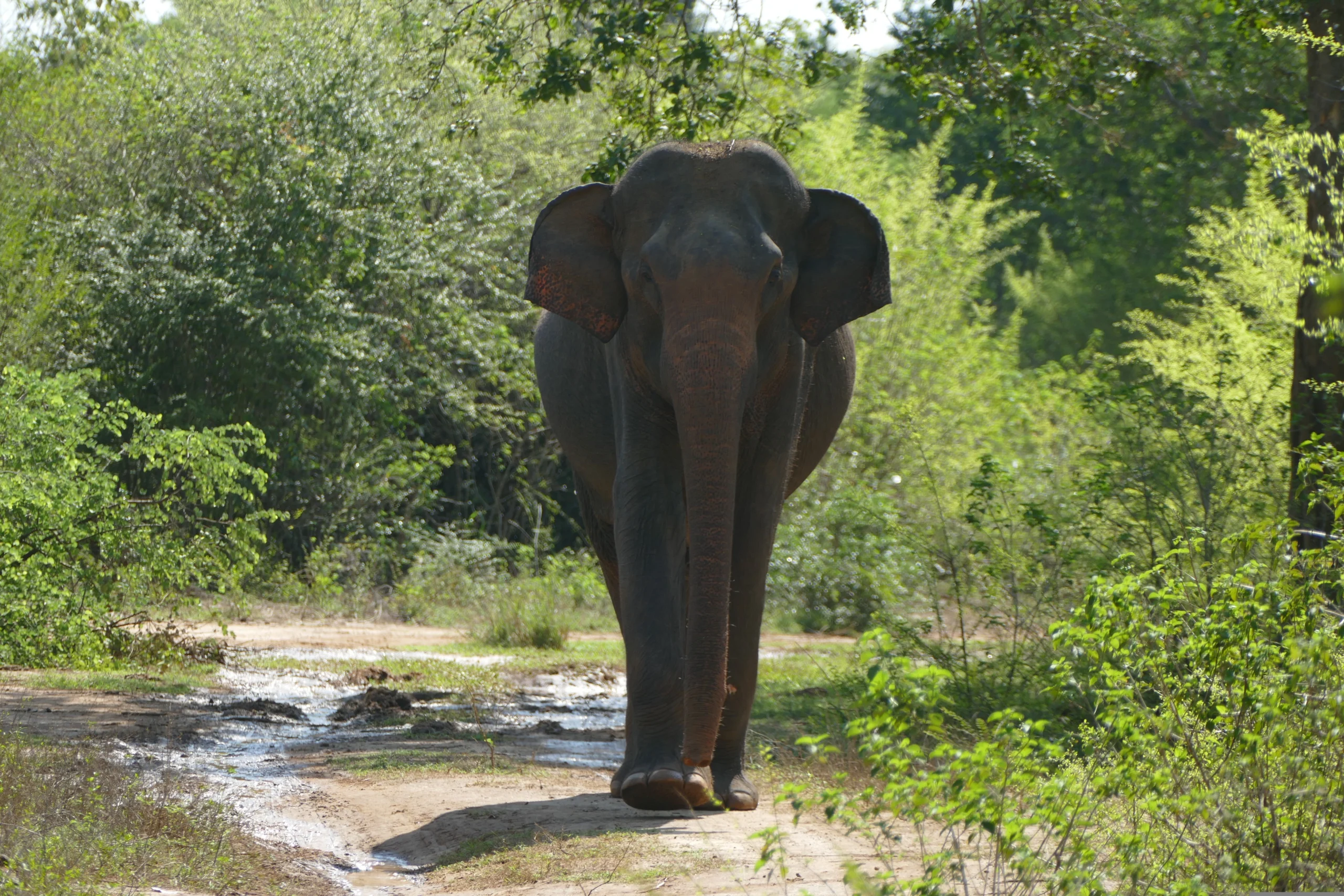
Sri Lanka is one of the best places on Earth to see wild Asian elephants. Despite being a relatively small island, it supports a significant elephant population thanks to its mix of dry-zone forests, grasslands, and protected national parks. If you’re planning an elephant safari in Sri Lanka, the key is choosing the right park at the right time—because elephant movement changes with rainfall, water levels, and food availability. Where Can You See Wild Elephants in Sri Lanka?
In this guide, you’ll find the best places to see wild elephants in Sri Lanka, what makes each destination special, the best seasons to visit, and practical tips for ethical, unforgettable viewing.
Quick SEO Summary – Where Can You See Wild Elephants in Sri Lanka?
- Best overall for elephant sightings: Udawalawe National Park
- Best for huge herds: Minneriya National Park (The Gathering)
- Best for unique experiences: Gal Oya National Park (occasional swimming elephants)
- Best for combining elephants + leopards: Yala National Park (more variable elephant sightings)
Why Sri Lanka Is a Top Destination for Wild Elephants
Sri Lanka is home to the Sri Lankan elephant (a subspecies of the Asian elephant). What makes the country exceptional for wildlife travelers is accessibility: several top elephant parks are reachable within a few hours of major tourist hubs like Colombo, Kandy, Ella, and the south coast.
Elephants here are most often seen in the dry zone (north, north-central, east, and south-east), where seasonal water sources concentrate animals in predictable areas—especially during the dry months.
The Best Places to See Wild Elephants in Sri Lanka
1) Minneriya National Park (Best for “The Gathering”)
Best for: Seeing large groups (sometimes 100+ elephants)
Closest base towns: Habarana, Sigiriya, Dambulla
Best season: July to October (peak gathering months)
Minneriya National Park is world-famous for “The Gathering”, one of the greatest wildlife spectacles in Asia. During the dry season, elephants migrate toward the Minneriya reservoir (the “tank”), where water and fresh grass remain available. It’s not unusual to see multiple herds feeding together on the open plains near the lake.
Why it’s great
- Excellent chances of seeing big herds and family groups
- Open habitats make elephants easier to spot and photograph
- Works perfectly with Sri Lanka’s Cultural Triangle itinerary (Sigiriya, Dambulla, Polonnaruwa)
Tip: Minneriya can get busy in peak season. Go on an early afternoon safari and ask your driver to prioritize respectful distances rather than racing between sightings.
2) Kaudulla National Park (Often Better When Minneriya Is Crowded)
Best for: High elephant density, sometimes fewer crowds
Closest base towns: Habarana, Sigiriya
Best season: August to November (varies with rainfall)
Kaudulla is part of the same broader elephant landscape as Minneriya, and elephants frequently move between parks depending on water levels and grass conditions. In some years, Kaudulla can outperform Minneriya for both numbers and viewing comfort.
Why it’s great
- Excellent chance of seeing elephants close to water
- Often a strong alternative when Minneriya is congested
- Good for travelers staying in Habarana/Sigiriya area
Local insight: Many safari operators decide between Minneriya vs Kaudulla on the day based on recent sightings—this flexibility can improve your odds significantly.
3) Hurulu Eco Park (Best for a Short, Easy Elephant Safari)
Best for: Quick elephant sightings, shorter drive times from Sigiriya
Closest base towns: Habarana, Sigiriya
Best season: Year-round, but best in drier months
Hurulu Eco Park (also called Hurulu Forest Reserve safari area) can be an excellent choice for travelers who want a shorter, simpler elephant safari without committing to a full national-park experience. It’s often used when elephants are moving away from Minneriya/Kaudulla.
Why it’s great
- Convenient for travelers based in Sigiriya/Habarana
- Often easier logistics for families and short stays
- Regular elephant sightings (though usually smaller groups than Minneriya)
4) Udawalawe National Park (Most Reliable Place to See Elephants)
Best for: Consistently high sightings; great for first-timers
Closest base towns: Udawalawe, Embilipitiya; also reachable from Ella
Best season: Year-round (often excellent in dry months)
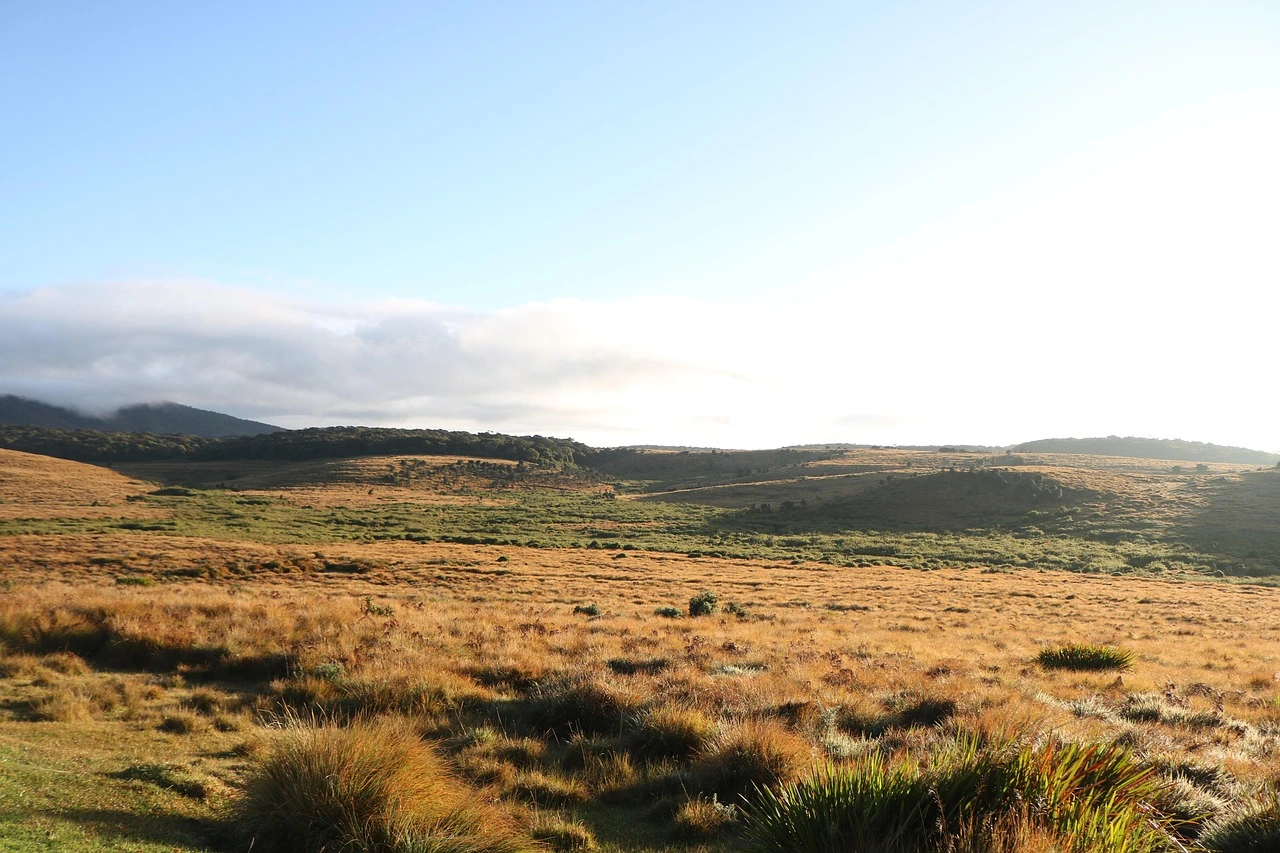
If your main goal is simply: “I want to see wild elephants in Sri Lanka with the highest probability,” Udawalawe is usually the best answer. The park’s open landscapes and grasslands make elephants easier to spot than in dense forest parks.
Why it’s great
- One of the most reliable elephant parks in Sri Lanka
- Open terrain = easier viewing and photography
- Good for half-day safaris (morning or afternoon)
Don’t miss nearby: The Elephant Transit Home (ETH) near Udawalawe (not a zoo). It rehabilitates orphaned elephants for release back into the wild. Viewing is typically from a distance during feeding times. (Always check current visitor guidelines and ethics policies.)
5) Yala National Park (Elephants + Leopards, but More Variable)
Best for: A “big wildlife” safari mix; elephants possible, not guaranteed
Closest base towns: Tissamaharama, Kataragama
Best season: February to July (popular safari window)
Yala is Sri Lanka’s most famous safari destination, largely due to leopards—but you can also see elephants, sloth bears, crocodiles, and a huge variety of birds. Elephant sightings are possible, though generally less predictable than Udawalawe or Minneriya.
Why it’s great
- Best park for combining multiple iconic species
- Beautiful landscapes and waterholes
- Excellent for wildlife photography—if you choose the right block and time
Important note: Some areas of Yala can be crowded. Choose operators who drive responsibly and keep respectful distances from animals.
6) Wilpattu National Park (Quieter, Wilder Feel; Elephants Possible)
Best for: A less crowded safari experience; occasional elephant sightings
Closest base towns: Wilpattu area, Anuradhapura
Best season: May to September (generally drier)
Wilpattu is Sri Lanka’s largest national park and is known for its natural lakes (“villus”) and a more remote, wilderness atmosphere. While Wilpattu is often discussed for leopards, you may also encounter wild elephants, especially near water sources.
Why it’s great
- Typically quieter than Yala
- Scenic and peaceful with beautiful villus
- Great for travelers exploring Anuradhapura and the northwest
7) Wasgamuwa National Park (Underrated and Authentic)
Best for: Fewer crowds, natural behavior, serious wildlife travelers
Closest base towns: Matale region; accessible from Kandy area (longer drive)
Best season: Dry season months (timing varies)
Wasgamuwa is less famous than Minneriya or Udawalawe, but it can be a rewarding place to see elephants in a more low-key setting. This is a good choice if you prefer a quieter safari away from peak-tourism circuits.
Why it’s great
- Often less vehicle traffic
- Good potential for elephant encounters
- A more “off the radar” experience
8) Gal Oya National Park (Unique: Elephants Sometimes Swim)
Best for: Rare, special sightings and boat safaris
Closest base towns: Ampara/Inginiyagala area
Best season: Dry months when animals come to the lake
Gal Oya is famous for its boat safaris on Senanayake Samudraya lake. In some conditions, elephants may be seen swimming between islands or crossing shallow sections—one of Sri Lanka’s most unique wildlife moments. While not guaranteed, the experience is very different from standard jeep safaris.
Why it’s great
- Boat + jeep safari possibilities
- Stunning scenery and a sense of exploration
- Potential for truly unique elephant behavior
9) Lahugala–Kitulana National Park (Small Park, Elephant Hotspot in Season)
Best for: Seasonal elephant viewing in the east
Closest base towns: Arugam Bay area (day trips possible)
Best season: Dry season when water and grass concentrate wildlife
This smaller park can be surprisingly good for elephants at certain times of year, especially if you’re traveling on the east coast (for example, combining with surfing in Arugam Bay).
Comparison Table: Best Elephant Safari Parks in Sri Lanka
| Location | Best For | Sightings Reliability | Best Months (General) |
|---|---|---|---|
| Udawalawe NP | Most consistent elephant sightings | Very High | Year-round |
| Minneriya NP | Massive herds (“The Gathering”) | High (seasonal peak) | Jul–Oct |
| Kaudulla NP | Great herds, sometimes fewer crowds | High (seasonal) | Aug–Nov |
| Hurulu Eco Park | Short/easy safari from Sigiriya | Medium–High | Year-round |
| Yala NP | Mixed “big wildlife” safari | Medium | Feb–Jul |
| Wilpattu NP | Quiet wilderness safari | Low–Medium | May–Sep |
| Gal Oya NP | Boat safari; rare swimming sightings | Medium (specialized) | Dry months |
| Wasgamuwa NP | Underrated, authentic | Medium | Dry months |
| Lahugala NP | East coast seasonal hotspot | Medium (seasonal) | Dry months |
Wildlife is unpredictable—these are typical patterns, not guarantees.
Best Time of Year to See Wild Elephants in Sri Lanka
Sri Lanka’s elephant viewing is strongly tied to rainfall and water availability.
- July to October: Best for Minneriya/Kaudulla region (the famous herd gatherings)
- Year-round: Udawalawe is reliable in most months
- Dry months in general: Increase visibility and concentrate animals near waterholes and reservoirs
- After heavy rains: Elephants may disperse into wider forest areas, making sightings less predictable
If you can choose only one peak elephant moment, plan for Minneriya in August or September (while staying flexible between Minneriya and Kaudulla depending on that year’s movement).
How to See Elephants Ethically (What to Look for in a Safari)
Responsible elephant tourism protects both animals and visitors. When booking a safari:
- Choose operators who keep distance and never block an elephant’s path
- Avoid chasing or surrounding animals with multiple vehicles
- Don’t demand “close-up” shots at the expense of safety and animal stress
- Keep noise low and never feed wild elephants
- Respect park rules (speed limits, off-road restrictions, designated routes)
A clear red flag
If a driver promises guaranteed touching-distance encounters, “best close photos,” or encourages getting between a mother and calf—choose someone else.
Practical Planning: Where to Stay for Elephant Safaris
Cultural Triangle (Minneriya/Kaudulla/Hurulu)
Stay in:
- Habarana (central, safari-friendly base)
- Sigiriya (great for combining rock fortress + safari)
- Dambulla (good access and hotels)
Udawalawe
Stay in:
- Udawalawe town (closest to park entrance)
- Combine easily with Ella (popular route: Ella → Udawalawe safari → south coast)
Yala
Stay in:
- Tissamaharama (Tissa) (classic safari base)
- Kataragama (also common)
Gal Oya
Stay near the park/lake area—because it’s more remote, logistics matter and you’ll want early starts.
Jeep Safari vs. Other Options
- Jeep safari (most common): Best for most parks and typical elephant viewing
- Boat safari (Gal Oya): Unique perspective and potential rare behaviors
- Walking safaris: Limited and location-specific; only with qualified guides in permitted areas
- Self-drive: Not recommended for most visitors due to local driving conditions and park regulations
FAQ: Wild Elephants in Sri Lanka
Are wild elephant sightings guaranteed?
No. Even in the best parks, elephants are wild and mobile. That said, Udawalawe and the Minneriya/Kaudulla area offer very high odds in the right season.
Which park is best for families and first-time safari-goers?
Udawalawe National Park is often easiest: open terrain, frequent sightings, and straightforward half-day safari options.
Where can you see the biggest herds?
Minneriya National Park during The Gathering (typically July–October), with Kaudulla often also excellent.
Can you see elephants near the beach?
Sometimes. In parts of the east and southeast, elephants may be present inland from coastal areas (for example, near Lahugala and some routes around Yala). However, the safest and most responsible way is still inside protected areas on official safaris.
Is Pinnawala a place to see wild elephants?
Pinnawala Elephant Orphanage involves captive elephants, not wild sightings. If your goal is wild elephants, prioritize national parks like Udawalawe, Minneriya, and Kaudulla. If you want to support rehabilitation, research the Elephant Transit Home model and current practices before visiting.
Final Thoughts: The Best Places to See Wild Elephants in Sri Lanka
If you’re mapping out your route, these are the strongest choices:
- Best overall reliability: Udawalawe National Park
- Best seasonal spectacle: Minneriya National Park (plus Kaudulla as a smart alternative)
- Best unique experience: Gal Oya National Park (boat safari potential)
- Best for a mixed “big game” safari: Yala National Park
With the right timing, a responsible safari operator, and realistic expectations, seeing wild elephants in Sri Lanka can be one of the most memorable wildlife encounters anywhere in the world.