Car And Driver Sri Lanka: Your Ultimate Guide to Motoring in the Pearl of the Indian Ocean
Sri Lanka‘s automotive landscape has evolved dramatically over the past decade, transforming the island nation into a vibrant hub for car enthusiasts, professional drivers, and everyday commuters. Whether you’re a resident looking to navigate the complexities of vehicle ownership or a visitor planning to explore the country’s stunning landscapes by road, understanding the dynamics of car and driver culture in Sri Lanka is essential. This comprehensive guide explores everything you need to know about cars, driving, and automotive culture in this beautiful island nation.
The Sri Lankan Automotive Market: A Dynamic Landscape
The car and driver scene in Sri Lanka reflects a unique blend of tradition and modernity. The country’s automotive market has undergone significant transformations, particularly following economic reforms and changing import regulations. Today, Sri Lankan roads showcase an eclectic mix of Japanese imports, European luxury vehicles, Indian budget cars, and an emerging segment of electric vehicles.
Japanese brands dominate the Sri Lankan market, with Toyota, Nissan, and Honda leading the pack. The preference for Japanese vehicles stems from their reputation for reliability, fuel efficiency, and the availability of spare parts. Models like the Toyota Axio, Honda Vezel, and Nissan Leaf have become household names across the island. The thriving reconditioned vehicle market has made car ownership accessible to a broader demographic, though regulations continue to evolve to balance economic considerations with environmental concerns.
Driving Conditions and Road Infrastructure in Sri Lanka
Driving in Sri Lanka presents both challenges and rewards. The country’s road network spans approximately 115,000 kilometers, connecting bustling urban centers with remote rural villages and pristine coastal communities. However, the quality of roads varies significantly across different regions.
Major highways like the Southern Expressway and the Colombo-Katunayake Expressway offer modern, well-maintained driving experiences with multiple lanes and proper signage. These expressways have revolutionized inter-city travel, reducing journey times dramatically. In contrast, rural roads and mountain routes can be narrow, winding, and challenging, especially during monsoon seasons when flooding and landslides pose additional hazards.
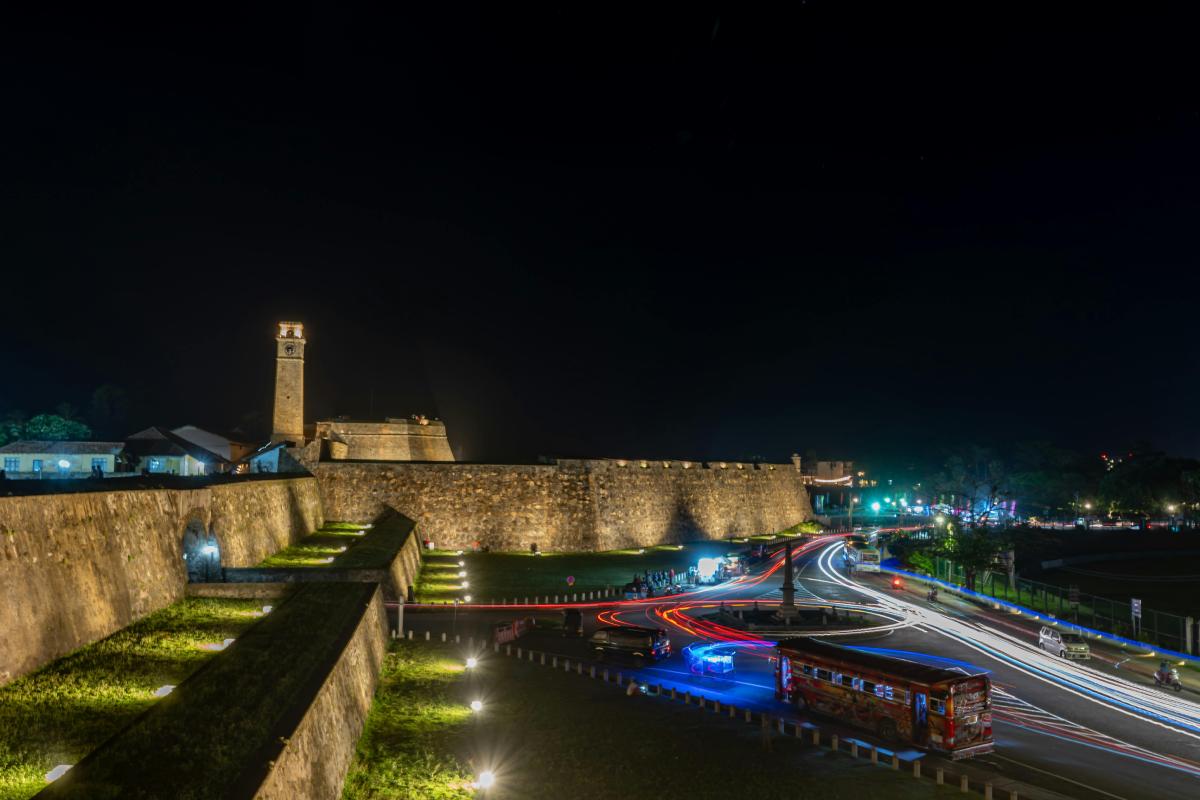
Urban driving, particularly in Colombo and other major cities, requires patience and alertness. Traffic congestion during peak hours can be intense, with vehicles of all types sharing the road including buses, three-wheelers, motorcycles, and pedestrians. The driving culture is generally assertive, and defensive driving skills are essential for navigating safely through busy intersections and crowded streets.
Understanding Sri Lankan Driving Regulations and Requirements
For anyone planning to drive in Sri Lanka, understanding the legal requirements is crucial. Sri Lankan citizens must obtain a driving license from the Department of Motor Traffic after passing both theoretical and practical examinations. The minimum age for obtaining a car license is eighteen years, and learners must hold a learner’s permit for a minimum period before taking the driving test.
Foreign visitors can drive in Sri Lanka using an International Driving Permit alongside their valid home country license for up to six months. Alternatively, visitors staying longer can apply for a temporary Sri Lankan driving license. It’s important to note that driving is on the left side of the road, following the British colonial tradition, which may require adjustment for drivers from right-hand drive countries.
Traffic regulations in Sri Lanka include mandatory seatbelt usage for front-seat passengers, strict drink-driving laws, and speed limits that vary depending on road type and location. Urban areas typically have speed limits of 50-60 km/h, while expressways allow speeds up to 100-110 km/h. Despite these regulations, enforcement can be inconsistent, and drivers should remain vigilant and practice defensive driving at all times.
The Role of Professional Drivers in Sri Lankan Culture
The car and driver concept takes on special significance in Sri Lanka, where employing professional drivers is common among middle and upper-class families. This practice reflects both practical considerations and cultural traditions. Professional drivers provide convenience for families where multiple members need transportation, offer expertise in navigating challenging road conditions, and provide security when traveling to unfamiliar areas.
For tourists, hiring a car with a driver is often the preferred option for exploring Sri Lanka. Professional tourist drivers not only handle the complexities of local traffic but also serve as informal tour guides, sharing knowledge about destinations, suggesting hidden gems, and helping navigate language barriers. Many drivers have extensive experience with tourist preferences and can customize itineraries to maximize the travel experience.
The relationship between car owners and their drivers often extends beyond purely professional boundaries, with drivers becoming trusted members of the household. This cultural aspect reflects Sri Lankan values of loyalty and long-term relationships, though it also raises important discussions about labor rights and fair employment practices.
Vehicle Import and Registration: Navigating the System
Understanding the vehicle import and registration process is essential for anyone considering car ownership in Sri Lanka. The country’s import policies have fluctuated significantly over recent years, influenced by foreign exchange considerations, environmental concerns, and economic policies. Currently, Sri Lanka imposes substantial taxes on vehicle imports, making new cars expensive compared to regional standards.
The registration process involves multiple steps including customs clearance, payment of import duties, vehicle inspection, and obtaining necessary documentation from the Department of Motor Traffic. The tax structure is complex, with rates varying based on engine capacity, vehicle type, and whether the vehicle is new or reconditioned. Electric and hybrid vehicles have received preferential treatment at various times, though policies continue to evolve.
For those purchasing vehicles locally, the process is more straightforward but still requires attention to detail. Buyers should verify vehicle documentation, conduct thorough inspections, and ensure proper transfer of ownership through official channels to avoid future complications.
Popular Driving Destinations and Road Trips in Sri Lanka
Sri Lanka’s compact size and diverse landscapes make it perfect for road trips and driving adventures. The country offers spectacular coastal routes, challenging mountain drives, and scenic journeys through tea plantations and wildlife reserves. Popular driving routes include the coastal road from Colombo to Galle, offering stunning ocean views and access to beautiful beaches, and the hill country route through Kandy, Nuwara Eliya, and Ella, showcasing breathtaking mountain scenery and tea estates.
The journey to Jaffna in the Northern Province has become increasingly popular, allowing drivers to explore a region with distinct cultural identity and historical significance. The eastern coast, with destinations like Trincomalee and Arugam Bay, offers excellent driving routes for those seeking pristine beaches and water sports opportunities.
When planning road trips, drivers should account for travel times that may be longer than distances suggest due to road conditions and traffic. It’s advisable to avoid night driving in rural areas due to poorly lit roads, unmarked hazards, and the presence of wildlife in some regions.
The Future of Motoring in Sri Lanka: Electric Vehicles and Sustainability
The car and driver landscape in Sri Lanka is evolving toward sustainability and technological advancement. Electric vehicles have gained traction, with the Nissan Leaf and various Chinese EV brands establishing presence in the market. The government has periodically offered incentives for EV adoption, though infrastructure development, particularly charging stations, remains a work in progress.
The shift toward electric mobility reflects global trends and Sri Lanka’s commitment to reducing carbon emissions and petroleum dependency. However, challenges remain including initial purchase costs, charging infrastructure limitations, and concerns about electricity generation capacity. Despite these hurdles, the EV market shows promising growth potential.
Ride-hailing services like Uber and PickMe have transformed urban transportation, offering alternatives to traditional taxis and three-wheelers. These platforms have created new opportunities for drivers while providing consumers with convenient, technology-enabled transportation options. The gig economy’s growth in the transport sector has implications for traditional driver employment and requires ongoing discussion about worker protections and fair compensation.
Automotive Services and Maintenance in Sri Lanka
Maintaining a vehicle in Sri Lanka requires access to reliable service providers and genuine spare parts. Major cities offer comprehensive automotive services including authorized dealerships, independent garages, and specialty workshops. Japanese vehicle owners generally find maintenance straightforward due to the abundance of spare parts and experienced mechanics familiar with these brands.
For European and American vehicles, maintenance can be more challenging and expensive due to limited spare parts availability and fewer specialized technicians. This factor should be considered when choosing a vehicle for long-term use in Sri Lanka.
The emergence of mobile mechanics and on-demand service providers has added convenience to vehicle maintenance. However, quality can vary significantly, and vehicle owners should seek recommendations and verify credentials before entrusting their vehicles to service providers.
Conclusion: Embracing the Car and Driver Experience in Sri Lanka
The car and driver culture in Sri Lanka offers a fascinating glimpse into the country’s social fabric, economic development, and daily life. Whether you’re a resident navigating the complexities of vehicle ownership, a visitor exploring the island’s wonders by road, or an automotive enthusiast interested in emerging markets, understanding this landscape enriches your experience.
From the bustling streets of Colombo to the serene mountain roads of the hill country, from the convenience of professional drivers to the adventure of self-drive exploration, Sri Lanka’s automotive scene continues to evolve. As the country embraces sustainability, technology, and improved infrastructure, the future of car and driver in Sri Lanka promises exciting developments while maintaining the unique character that makes motoring on this island nation a truly distinctive experience.
For anyone engaging with Sri Lanka’s automotive landscape, patience, preparation, and respect for local driving culture will ensure safe, enjoyable, and memorable experiences on the road. Whether you’re behind the wheel yourself or benefiting from the expertise of a professional driver, Sri Lanka‘s roads offer gateways to unforgettable adventures across this remarkable island nation.