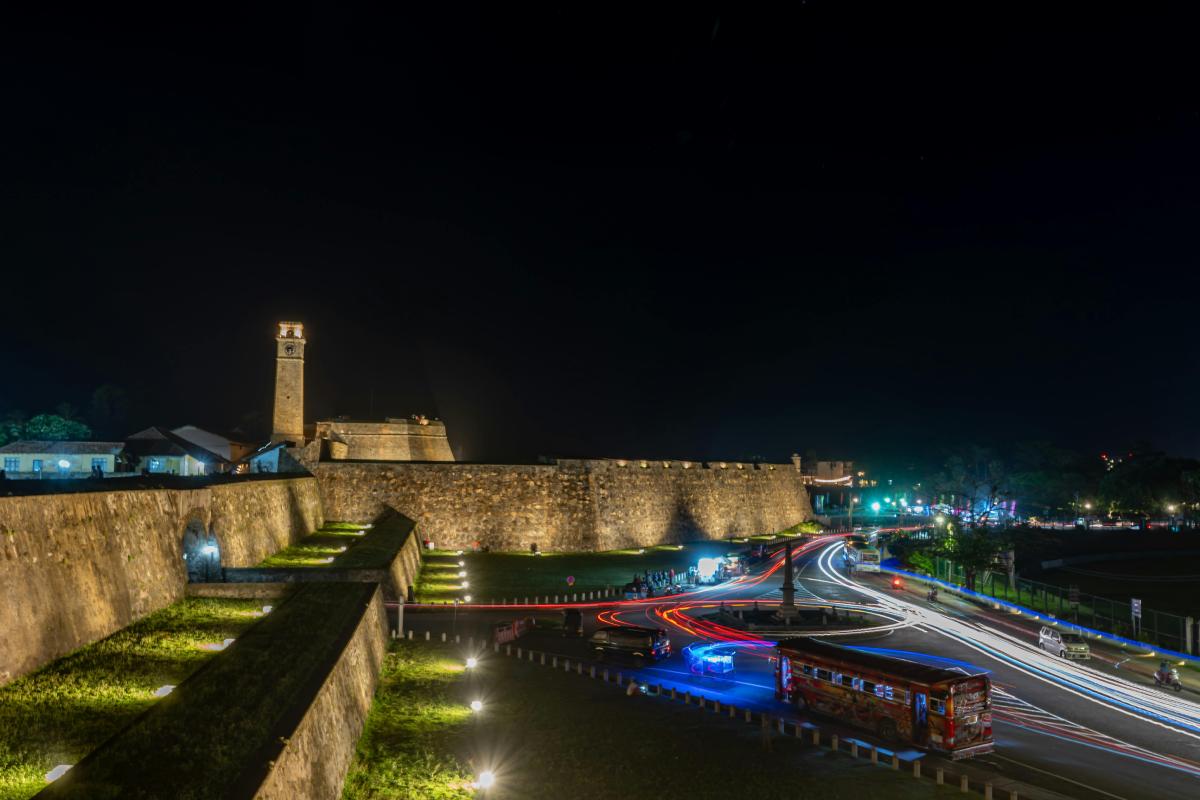
Sri Lanka, the teardrop-shaped island in the Indian Ocean, is renowned not only for its golden beaches, misty hill country, ancient ruins, and abundant wildlife, but also for a culinary heritage that is as rich and diverse as its history. The culinary arts of Sri Lanka represent centuries of cultural exchange, regional creativity, and deep-rooted traditions passed down through generations. Every dish tells a story—of spice traders, colonial encounters, religious practices, and the island’s intimate relationship with nature. Culinary Arts of Sri Lanka.
Sri Lankan cuisine is not just about food; it is an expression of identity, hospitality, and community. From humble village kitchens to festive banquet halls, cooking in Sri Lanka is a craft refined by instinct, experience, and respect for ingredients. This article explores the culinary arts of Sri Lanka in depth—its origins, core ingredients, cooking techniques, regional variations, cultural significance, and its growing global recognition.
Historical Roots of Sri Lankan Culinary Arts
The culinary traditions of Sri Lanka have evolved over more than 2,500 years, shaped by indigenous practices and foreign influences alike. Ancient Sri Lankan civilization relied heavily on agriculture, particularly rice cultivation, which remains the foundation of the national diet today. Early inhabitants developed methods of preserving food, using herbs, spices, and sun-drying techniques well before foreign traders arrived.
Sri Lanka’s strategic location along major maritime trade routes brought traders from India, Arabia, China, and Southeast Asia. These interactions introduced new ingredients, cooking styles, and flavor combinations. Later, European colonial powers—Portuguese, Dutch, and British—left a lasting imprint on Sri Lankan food culture. Each era added layers of complexity, resulting in a cuisine that is uniquely Sri Lankan yet globally influenced.
Rice: The Heart of Sri Lankan Cuisine
Rice is more than just a staple food in Sri Lanka; it is a cultural symbol deeply tied to life, prosperity, and ritual. Traditionally grown in lush paddy fields across the island, rice appears in daily meals, religious offerings, and ceremonial occasions.
There are many varieties of rice in Sri Lanka, including traditional heirloom types such as Suwandel, Pachchaperumal, and Kuruluthuda. These varieties are prized for their nutritional value, aroma, and connection to ancient farming practices.
A typical Sri Lankan meal consists of rice served with an array of curries—vegetable, meat, fish, and lentil—each prepared with distinctive spices and techniques. The balance of flavors and textures is essential, showcasing the culinary artistry of the cook.
Spices: The Soul of Sri Lankan Cooking
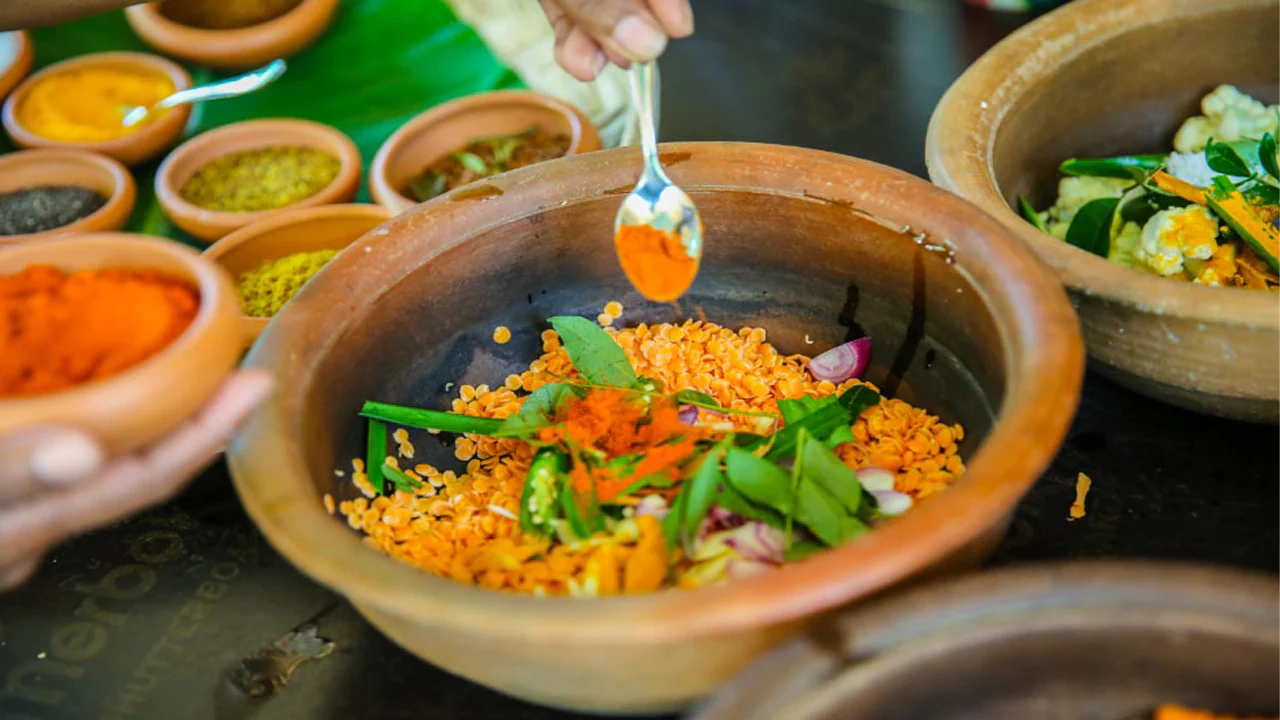
Sri Lanka has long been known as the “Spice Island,” and spices are the soul of its culinary arts. Cinnamon, native to Sri Lanka, is one of the island’s most famous exports and is used extensively in both savory and sweet dishes. Other essential spices include black pepper, cardamom, cloves, nutmeg, cumin, coriander, fennel, fenugreek, turmeric, and chili.
What sets Sri Lankan cuisine apart is the way spices are treated. They are often dry-roasted or tempered in oil to release their full aroma and depth of flavor. Curry powders are frequently prepared fresh at home, with each family maintaining its own blend passed down through generations.
Spices are not used merely for heat but for balance—creating layers of flavor that range from earthy and smoky to sweet and pungent.
Coconut: A Culinary Cornerstone
Coconut is another indispensable ingredient in Sri Lankan culinary arts. The coconut palm is often called the “tree of life” because every part of it is used in daily living. In cooking, coconut appears in multiple forms: coconut milk, coconut cream, grated coconut, coconut oil, and coconut vinegar.
Coconut milk adds richness and depth to curries, while grated coconut is mixed with spices to create sambols and mallums (lightly sautéed vegetable dishes). Coconut oil is traditionally used for frying and tempering, lending a distinct aroma to Sri Lankan food.
The use of coconut reflects the island’s tropical environment and sustainable food practices rooted in nature.
Traditional Cooking Techniques – Culinary Arts of Sri Lanka
Sri Lankan culinary arts rely heavily on traditional cooking techniques that emphasize patience, intuition, and respect for ingredients. Many recipes are not written but learned by observation and practice, passed from elders to younger generations.
One of the most common techniques is tempering, where spices are briefly fried in hot oil to release their essential oils before being added to a dish. Clay pots are often used for cooking curries, as they distribute heat evenly and enhance flavor.
Grinding spices and pastes using stone grinders or mortar and pestle is still practiced in many households. These methods preserve the authenticity and complexity of flavors that modern appliances often fail to replicate.
Iconic Sri Lankan Dishes
Sri Lanka boasts a wide range of iconic dishes that reflect its culinary diversity.
Rice and curry is the national meal, featuring rice served with multiple curries and accompaniments such as sambols, pickles, and papadum. Each curry has its own character, from creamy coconut-based dishes to fiery dry curries.
Hoppers (appa) are bowl-shaped pancakes made from fermented rice flour and coconut milk, often enjoyed for breakfast or dinner. String hoppers (idiyappam) are delicate rice noodle nests served with curry and coconut sambol.
Kottu roti, a popular street food, is made by chopping flatbread with vegetables, eggs, and meat on a hot griddle, creating a rhythmic sound that has become iconic across the island.
Other beloved dishes include lamprais, a Dutch-influenced rice and curry meal baked in banana leaf; pittu, a steamed mixture of rice flour and coconut; and kiribath, milk rice prepared for auspicious occasions.
Regional Variations in Sri Lankan Cuisine
Sri Lanka’s culinary arts vary significantly by region, influenced by geography, climate, and local produce.
The coastal regions are known for seafood dishes featuring fish, prawns, crab, and cuttlefish, often cooked with tangy goraka (Malabar tamarind) and coconut milk. The southern coast is famous for spicy fish ambul thiyal, a sour dry curry with deep flavors.
In the central hill country, vegetables and herbs thrive in cooler climates, leading to lighter, aromatic dishes. The influence of plantation communities has also introduced unique flavors and techniques.
Northern Sri Lankan cuisine, particularly Tamil cooking, is known for bold spices, fiery heat, and a strong emphasis on vegetarian dishes. Jaffna cuisine stands out for its use of roasted spices, curry leaves, and seafood.
Eastern Sri Lanka reflects a blend of Muslim, Tamil, and Sinhalese culinary traditions, with dishes like biryani, samosas, and sweetmeats playing a prominent role.
Religious and Cultural Influences
Religion plays a significant role in shaping Sri Lankan culinary practices. Buddhism, Hinduism, Islam, and Christianity each influence dietary habits, festival foods, and cooking traditions.
Buddhist customs encourage vegetarian meals on full moon days (Poya), leading to a rich variety of plant-based dishes. Hindu festivals often feature elaborate vegetarian spreads prepared as offerings to deities.
Muslim communities contribute dishes such as biryani, watalappan, and savory snacks, especially during Ramadan and festive celebrations. Christian communities introduced cakes, puddings, and festive dishes associated with Christmas and Easter.
Food is central to Sri Lankan celebrations, from New Year feasts to weddings and religious ceremonies, symbolizing abundance, gratitude, and togetherness.
Street Food and Everyday Culinary Culture
Sri Lankan street food is an essential part of the island’s culinary arts, offering affordable, flavorful, and deeply satisfying meals. From bustling city streets to rural towns, food stalls serve a variety of snacks and quick meals.
Popular street foods include kottu roti, isso wade (prawn fritters), vadai, short eats such as pastries and rolls, and fresh fruit seasoned with salt and chili. Tea shops are social hubs where people gather over cups of strong Ceylon tea and savory snacks.
Street food culture reflects the creativity and adaptability of Sri Lankan cooks, who transform simple ingredients into memorable flavors.
Sweets and Desserts in Sri Lankan Cuisine
Sri Lankan desserts are closely tied to tradition and celebration. Many sweets are made using rice flour, coconut milk, jaggery (palm sugar), and spices like cardamom.
Traditional sweets include kavum (oil cakes), kokis (crispy cookies), aluwa, and aasmi, often prepared during the Sinhala and Tamil New Year. Watalappan, a rich coconut custard with jaggery and spices, showcases the influence of Malay and Muslim cuisine.
Fresh tropical fruits such as mango, banana, pineapple, and papaya also play a role in desserts, enjoyed on their own or incorporated into sweet dishes.
Ayurvedic Principles and Food
Sri Lankan culinary arts are closely linked with Ayurveda, the ancient system of natural healing. Many ingredients used in daily cooking are believed to have medicinal properties that promote balance and well-being.
Spices such as turmeric, ginger, garlic, and cinnamon are valued for their health benefits. Meals are often designed to balance the body’s internal energies, taking into account climate, season, and individual needs.
This holistic approach to food highlights the deep connection between nourishment, health, and lifestyle in Sri Lankan culture.
Modern Evolution of Sri Lankan Culinary Arts
In recent years, Sri Lankan cuisine has gained increasing international recognition. Chefs and food entrepreneurs are reinterpreting traditional dishes with modern techniques while preserving authentic flavors.
Restaurants, food festivals, and cooking schools are promoting Sri Lankan culinary heritage to global audiences. Fusion cuisine blends Sri Lankan spices with international styles, creating innovative dishes that appeal to diverse palates.
Social media and travel platforms have also played a role in showcasing Sri Lankan food, attracting food lovers from around the world eager to experience the island’s unique flavors.
Culinary Arts as Cultural Preservation
The culinary arts of Sri Lanka are more than a collection of recipes; they are a living tradition that preserves history, values, and community ties. In many households, cooking is an act of love and hospitality, a way of honoring ancestors and sharing culture.
Efforts to revive traditional rice varieties, sustainable farming practices, and heritage recipes are helping to protect Sri Lanka’s culinary identity in a rapidly modernizing world.
Teaching younger generations to cook traditional dishes ensures that these skills and flavors continue to thrive, keeping the island’s rich food culture alive.
Conclusion: A Taste of Sri Lanka’s Soul
The culinary arts of Sri Lanka offer a profound insight into the island’s soul. Through its vibrant spices, humble ingredients, time-honored techniques, and diverse influences, Sri Lankan cuisine tells a story of resilience, creativity, and harmony with nature.
Every meal is an invitation to experience the island’s history and hospitality. Whether enjoyed in a rural village, a bustling street market, or an elegant restaurant, Sri Lankan food leaves a lasting impression on the senses and the heart.
For travelers, food enthusiasts, and cultural explorers alike, Sri Lanka’s culinary arts are not just something to taste—they are something to remember, cherish, and celebrate.