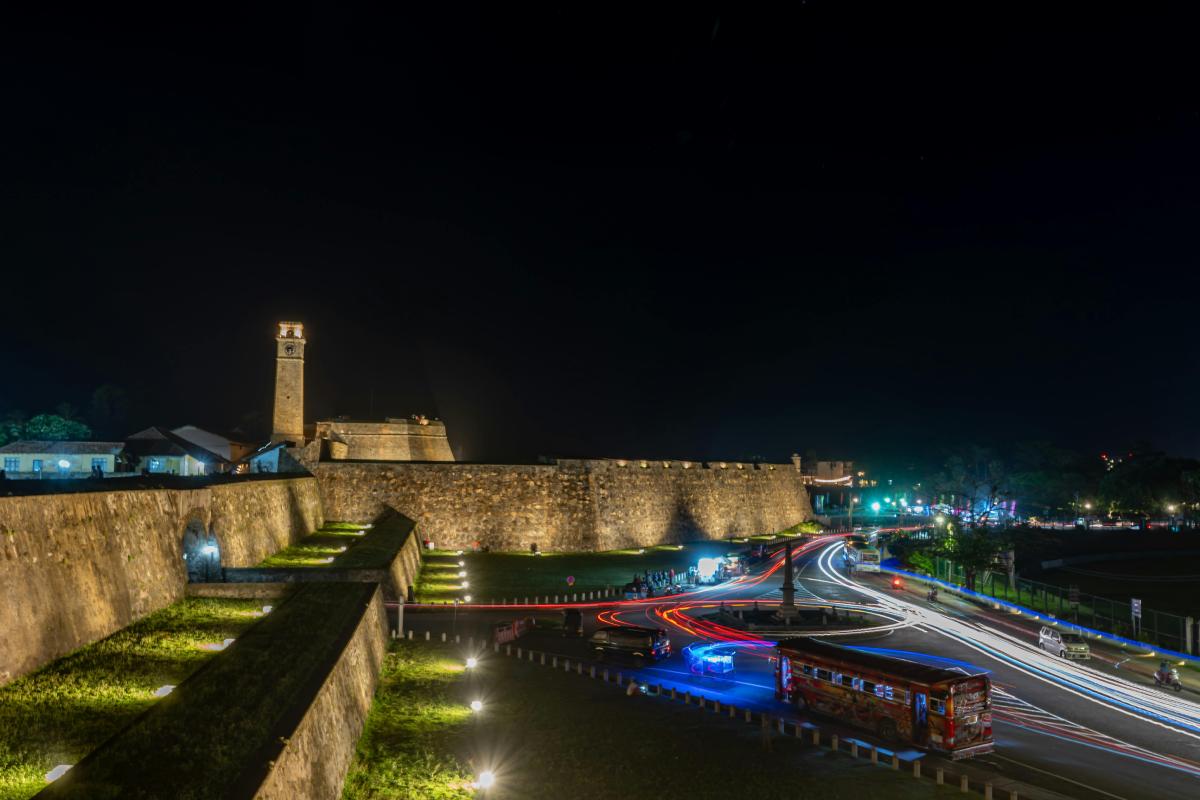
Sri Lanka has long been celebrated for its golden beaches, ancient temples, and lush tea plantations. While destinations like Sigiriya Rock, Galle Fort, and the scenic train to Ella rightfully earn their spots on most itineraries, this teardrop-shaped island holds countless treasures that remain delightfully under the radar. For travelers seeking to escape the crowds and discover the authentic soul of Sri Lanka, these hidden gems offer unforgettable experiences far from the well-trodden tourist trail. Hidden Gems in Sri Lanka Most Tourists Miss.
Jaffna and the Northern Peninsula: A Cultural Awakening
At the very tip of Sri Lanka, separated from mainland India by just 35 kilometers of water, lies Jaffna—a city that feels like a different country altogether. For decades, this vibrant Tamil cultural capital remained off-limits to tourists due to the civil war, but since 2009, Jaffna has been experiencing a remarkable renaissance.
What makes Jaffna extraordinary is its distinct identity. Unlike the predominantly Buddhist south, Jaffna pulses with Hindu culture. Towering gopurams (temple gates) decorated with kaleidoscopic figures dominate the skyline, Tamil melodies drift from shops and cafés, and sari-clad women and shirtless men frequent colorful temples throughout the day. The architecture tells stories of colonial rule—Portuguese, Dutch, and British—all layered atop centuries of Tamil kingdom heritage.
The Jaffna Fort, though less pristine than its famous cousin in Galle, offers a hauntingly beautiful experience. Built by the Portuguese in 1618 and expanded by the Dutch, this coral rock fortress was badly damaged during the civil war. Today, visitors can walk its ramparts virtually alone, enjoying sweeping views over the lagoon and contemplating the resilience of a city that has survived so much.
The Nallur Kandaswamy Temple stands as one of the most significant Hindu temples in Sri Lanka. Founded as early as the 10th century, it was destroyed and rebuilt multiple times—by warriors, Portuguese invaders, and the ravages of war. Today, it has been lovingly restored and serves as the centerpiece of Jaffna’s largest religious festival.
Don’t miss the Jaffna Public Library, a phoenix risen from ashes. This magnificent building was tragically burned in 1981, destroying over 97,000 books and irreplaceable manuscripts on Sri Lankan political history—one of the most appalling acts of cultural desecration in modern times. Fully rebuilt and reopened in 2004, it now teems with students and readers, symbolizing Jaffna’s commitment to education and cultural preservation.
The surrounding peninsula offers its own rewards. Point Pedro’s white lighthouse marks Sri Lanka’s northernmost point, while mysterious Kantharodai features about 20 miniature stupas whose origins remain unclear—possibly 2,000 years old, their purpose lost to time. The peninsula’s beaches remain refreshingly empty, and the famously sweet Jaffna mangoes are not to be missed.
Traveling to Jaffna requires commitment—it’s a 10-12 hour bus ride or short flight from Colombo—but therein lies its magic. The journey itself becomes part of the story, and those who make the effort discover a region that few tourists experience, where conversations with locals reveal layers of history, resilience, and quiet optimism.
Riverston: The Cloud Forest Sanctuary
While Ella draws crowds seeking mountain scenery and tea plantation views, Riverston in the Knuckles Mountain Range offers an equally spectacular but virtually tourist-free alternative. Part of a UNESCO-listed area, this magnificent region remains one of Sri Lanka’s best-kept secrets.
Riverston presents a lush playground of rolling hills, dramatic escarpments, and countless hidden waterfalls. The landscape holds such charm and authenticity that visitors often find themselves completely alone with nature. The cloud forest here is critical for biodiversity, harboring unique species found nowhere else, including endemic lizards that scurry among the vegetation.
The Mini World’s End viewpoint might offer the most rewarding short hike in all of Sri Lanka. After just 10 minutes of walking, you’re greeted with mesmerizing panoramic views over mountains and verdant valleys—a steep drop below adds to the drama. Unlike Horton Plains’ famous World’s End, which sees busloads of tourists daily, Mini World’s End remains blissfully quiet.
Within the Knuckles Mountains lie 32 isolated, self-sustaining villages accessible via the Pitawala Pathana trail. Here, communities live off their own produce, enjoying remarkably long lifespans despite minimal access to modern medicine. They venture to cities just once monthly via barely motorable roads. The solitary way of life, mist-clad peaks, and pure mountain air create a window into a world largely untouched by modernity.
Riverston, located about 30 kilometers from Matale and easily accessible from Kandy, offers everything nature lovers seek—pristine hiking, spectacular views, and genuine cultural encounters—without Ella’s crowds and commercialization.
Kalpitiya: Where Dolphins Dance – Hidden Gems in Sri Lanka Most Tourists Miss
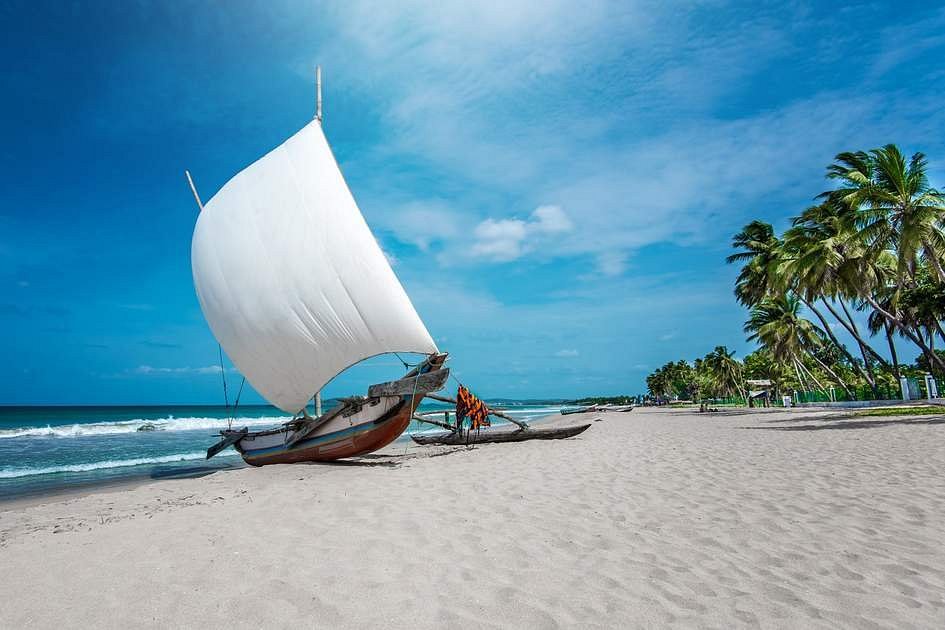
About four hours north of Colombo lies the Kalpitiya Peninsula, a relatively undeveloped coastal paradise where tourism is only beginning to emerge. Wide, empty beaches stretch for miles, and the waters teem with marine life, making this one of the best places in the world for dolphin watching.
Dolphin-watching excursions from Kalpitiya offer genuinely magical experiences. Pods of dolphins—sometimes hundreds strong—frolic in the waters, leaping and playing around boats. Unlike more commercialized wildlife experiences elsewhere, Kalpitiya’s tours maintain an authentic, unhurried quality.
Kalpitiya is also a premier destination for kitesurfing, particularly from May to November when consistent winds create ideal conditions. Several schools offer lessons for beginners, and the shallow lagoons provide safe learning environments. For experienced kitesurfers, the open ocean offers exciting challenges.
Beyond water sports, the peninsula features beautiful mangrove forests perfect for kayaking, and the surrounding area includes several islands and lagoons to explore. The handful of accommodations ranges from basic guesthouses to eco-lodges, all offering peaceful retreats far from mass tourism.
As development slowly increases, now is the perfect time to experience Kalpitiya’s unspoiled beauty before it becomes another crowded beach destination.
Wilpattu National Park: Safari Without the Crowds
While most safari-goers flock to Yala National Park in southern Sri Lanka—often encountering traffic jams of jeeps around leopard sightings—Wilpattu National Park in the north offers an equally rewarding wildlife experience with a fraction of the visitors.
Wilpattu is Sri Lanka’s largest national park and boasts the same exciting fauna as its southern counterparts, including the elusive Sri Lankan leopard, elephants, sloth bears, and countless bird species. What sets it apart is the absence of sky-high tourist numbers, allowing for a more intimate, peaceful safari experience.
The park’s unique feature is its “willus”—natural sand-rimmed lakes that dot the landscape. These water sources attract wildlife, particularly during dry season, creating excellent viewing opportunities. The park’s varied terrain includes dense scrub jungle, open grasslands, and coastal areas.
Located near the ancient city of Anuradhapura, Wilpattu can easily be combined with cultural sightseeing, offering the best of both worlds—wildlife and heritage—without the crowds found in more popular regions.
Galkadawala: The Secret Forest Lodge
For travelers seeking truly off-the-beaten-path experiences, Galkadawala represents the holy grail. This tiny countryside village in north-central Sri Lanka rarely appears on any tourist maps, which is precisely what makes it special.
The Galkadawala Forest Lodge, created by Maulie, a former Colombo garment industry professional, has transformed a barren piece of land into an oasis of tranquility. The eco-lodge, built with recycled materials and surrounded by a mini forest, sits beside the village’s picturesque tank (lake). Giant squirrels and colorful birds call the property home, and surrounding rice paddies create a quintessentially Sri Lankan landscape.
What truly distinguishes Galkadawala is the authentic experience it offers. Maulie grows her own vegetables, and meals are traditionally prepared in earthen pots. Guests rave about the food, often calling it the best they’ve tasted in Sri Lanka. Days are spent cycling through the village, interacting with locals, bird watching, or simply relaxing by the lake—a complete departure from typical tourist activities.
This is the kind of place that travelers stumble upon only through dedicated research, making discovery feel like uncovering a genuine secret. It represents the increasingly rare opportunity to experience rural Sri Lankan life as it has been lived for generations.
Pidurangala Rock: Sigiriya’s Superior Sibling
Everyone knows about Sigiriya Rock—Lion’s Rock is Sri Lanka’s most iconic sight and deservedly so. But just a short distance away stands Pidurangala Rock, offering something arguably better: spectacular views OF Sigiriya Rock, combined with a more authentic, less commercialized experience.
The 200-meter climb takes just 30-45 minutes and costs around 500 rupees (compared to Sigiriya’s much steeper entrance fee). The trail passes through an ancient Buddhist temple—shawls are required to cover shoulders out of respect—before ascending through jungle and over boulders to the summit.
From the top, Sigiriya Rock rises majestically from the jungle, creating one of Sri Lanka’s most photographable scenes. Sunrise and sunset are particularly magical, painting the landscape in golden hues. While Pidurangala has grown in popularity, it still sees far fewer visitors than Sigiriya, allowing for contemplation and photography without constant jostling.
The climb involves some scrambling over rocks near the summit, adding a touch of adventure absent from Sigiriya’s well-maintained stairways. A massive reclining Buddha statue partway up adds cultural significance to the natural beauty.
Cultural Triangle Hidden Treasures
While Anuradhapura, Polonnaruwa, and Dambulla form the famous Cultural Triangle that appears on most itineraries, several remarkable sites in this region remain largely overlooked by mainstream tourism.
Aluvihare Monastery comprises a collection of carved caves where the Tripiṭaka Buddhist scriptures were first committed to writing—a monumental moment in Buddhist history. The monastery’s quiet atmosphere and religious significance make it profoundly moving for those interested in Buddhism’s development.
Ritigala, a mysterious forest monastery hidden in north-central Sri Lanka, offers a fascinating confluence of natural splendor and historic ruins. This remote mountain site features ancient stone pathways, meditation platforms, and bathing pools slowly being reclaimed by jungle. The isolation and eerie beauty create an unforgettable atmosphere.
Mihintale, located just 12 kilometers from Anuradhapura, marks the spot where Buddhism was first brought to Sri Lanka. Broad stone steps flanked by trees lead to terraces containing remains of ancient hospitals, monasteries, and shrines. On the full moon night in June (Poson Poya), millions of pilgrims visit for colorful festivities, but most of the year, it remains peaceful and contemplative.
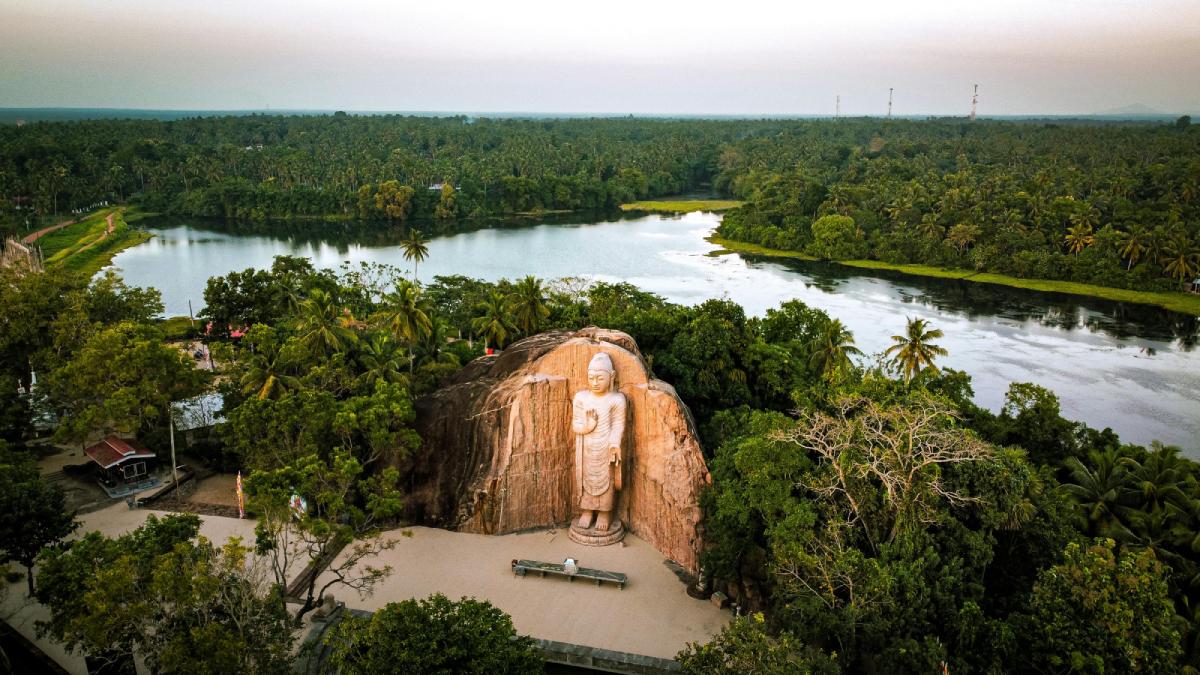
The standing Buddha statue at Avukana, rock-hewn and imposing, ranks among Sri Lanka’s finest ancient sculptures yet sees relatively few visitors. The citadel of Yapahuwa, once a royal capital, features impressive rock carvings and a dramatic stairway leading to palace ruins atop a massive granite outcrop.
These sites offer depth to the Cultural Triangle experience, allowing travelers to move beyond the standard tourist circuit and develop a richer understanding of Sri Lanka’s pre-colonial history.
Gartmore Falls: The Natural Infinity Pool
Sri Lanka overflows with spectacular waterfalls, but Gartmore Falls stands out for its unique combination of dramatic beauty and continued obscurity. This stunning two-tier waterfall features a 30-meter drop that creates natural pools perfect for swimming.
What makes Gartmore Falls truly special is the natural infinity pool at its base. Swimmers can bathe in crystalline water while enjoying views over the surrounding valley—a magical experience enhanced by the knowledge that few foreign tourists even know this place exists.
Access requires some effort, which helps maintain its pristine condition. The journey typically involves hiking through jungle and crossing streams, adding adventure to the eventual reward. Local guides can be arranged through nearby villages.
The best time to visit is during or just after the monsoon season when water flow is strongest, though the falls maintain their beauty year-round. Unlike heavily touristed Ravana Falls or Diyaluma Falls, you might find yourself completely alone at Gartmore, able to fully immerse in the natural wonder without distractions.
Polonnaruwa: The Overlooked Ancient City
While Polonnaruwa technically appears on many itineraries, it’s often rushed through in favor of Sigiriya and Anuradhapura. This is a mistake, as Polonnaruwa’s extensive ruins deserve leisurely exploration and offer a more intimate historical experience than its more famous counterparts.
Unlike Anuradhapura’s spread-out sites, Polonnaruwa’s ruins cluster together, making them easier to explore by bicycle—the ideal way to move between temples, palaces, and statues while enjoying the park-like setting. The freedom to wander almost alone through this UNESCO World Heritage site, once the thriving capital of Sri Lanka, creates powerful connections to the past.
Highlights include the Gal Vihara, featuring four magnificent Buddha statues carved from a single granite wall; the Royal Palace complex with its impressive audience hall; and the lotus bath, a uniquely shaped pool demonstrating ancient engineering sophistication. The Lankathilaka Temple and Watadage (circular relic house) showcase exquisite stone carving and architectural innovation.
By spending a full day or more in Polonnaruwa rather than a quick morning, travelers discover details and nuances missed by those rushing to tick off bucket list items. Early morning and late afternoon offer particularly atmospheric light and even fewer visitors.
Practical Tips for Exploring Hidden Gems
Discovering Sri Lanka’s lesser-known treasures requires different planning than visiting mainstream attractions:
Transportation: Many hidden gems lack regular public transport. Consider hiring a driver for multi-day trips or renting a scooter for more adventurous exploration. Local guides often provide invaluable knowledge and access to places difficult to find independently.
Accommodation: In off-the-beaten-path areas, accommodation options may be limited but often more authentic. Homestays and small guesthouses offer genuine interactions with local families. Book ahead when possible, especially during peak seasons.
Timing: Visiting less popular sites means you can be more flexible with timing, though checking seasonal considerations (monsoons, festivals) remains important. Many hidden gems are actually more accessible during supposed “low season” when crowds thin at popular spots.
Respect: Lesser-visited areas often have more conservative local populations. Dress modestly, especially when visiting religious sites or rural villages. Ask permission before photographing people, and be mindful that not everyone wants to be part of your travel story.
Preparation: Remote areas may lack ATMs, restaurants, and shops. Carry cash, water, snacks, and basic supplies. Download offline maps and any necessary information before venturing to areas with limited connectivity.
Support Local Communities: Choose locally-owned accommodations, eat at family-run restaurants, and hire local guides. Your tourism rupees make a bigger difference in less-developed areas and help ensure these places benefit from sustainable tourism rather than being overlooked entirely.
The Value of Venturing Beyond
Sri Lanka’s hidden gems offer more than just smaller crowds—they provide windows into authentic Sri Lankan life, opportunities for genuine cultural exchange, and the satisfaction of discovery that package tourism rarely delivers. While Sigiriya and Galle Fort certainly deserve their acclaim, the magic of travel often emerges in unexpected places: sharing a meal with a village family in Galkadawala, watching the sun rise over Jaffna’s lagoon, or swimming beneath Gartmore Falls with only bird songs for company.
These lesser-known destinations also face a critical juncture. As Sri Lanka’s tourism industry continues growing, today’s hidden gems may become tomorrow’s hotspots. Visiting now, with respect and mindfulness, allows you to experience these places in their relatively unspoiled state while supporting local communities that benefit from thoughtful tourism development.
The beauty of Sri Lanka lies not just in its well-photographed landmarks but in the layers of history, culture, and natural splendor waiting to be discovered by those willing to venture beyond the guidebook highlights. Whether you’re watching dolphins leap off Kalpitiya’s coast, exploring Ritigala’s jungle-clad ruins, or conversing with locals in Jaffna’s markets, these hidden gems remind us that the best travel experiences often come from the roads less traveled.
So when planning your Sri Lankan adventure, consider allocating time for places that don’t flood your Instagram feed with familiar images. The rewards—both in personal experiences and in the stories you’ll carry home—far exceed any validation from social media likes. Sri Lanka’s hidden treasures await, ready to reveal themselves to curious travelers seeking authenticity over Instagram-ability, and depth over mere sightseeing.