Sri Lanka, the teardrop-shaped island nation floating in the Indian Ocean, has long captivated travelers with its extraordinary diversity packed into a relatively compact landmass. While the entire country spans just 65,610 square kilometers, the contrasts between its northern and southern regions are so pronounced that visiting both feels like experiencing two entirely different countries. From the cultural tapestry and historical legacies to the landscapes, cuisine, and the very rhythm of daily life, the North and South of Sri Lanka offer distinct experiences that together paint a complete picture of this remarkable island. Sri Lanka North vs South.
The Historical Divide – Sri Lanka North vs South
Understanding the differences between North and South Sri Lanka requires a journey through history. The North, particularly the Jaffna Peninsula, has been the traditional homeland of the Tamil population for centuries. This region bore the deepest scars of the country’s civil conflict, which lasted from 1983 to 2009. The war’s end marked a turning point, and the North has since been on a path of reconstruction and revival, though its recovery continues to this day.
The South, meanwhile, remained relatively insulated from the direct impacts of the conflict, allowing its tourism industry and infrastructure to develop more consistently over the decades. This historical divergence has shaped everything from the pace of development to the psychological landscape of each region. The South’s beaches became internationally famous decades ago, while the North’s coastal treasures remained largely unknown to the outside world until recent years.
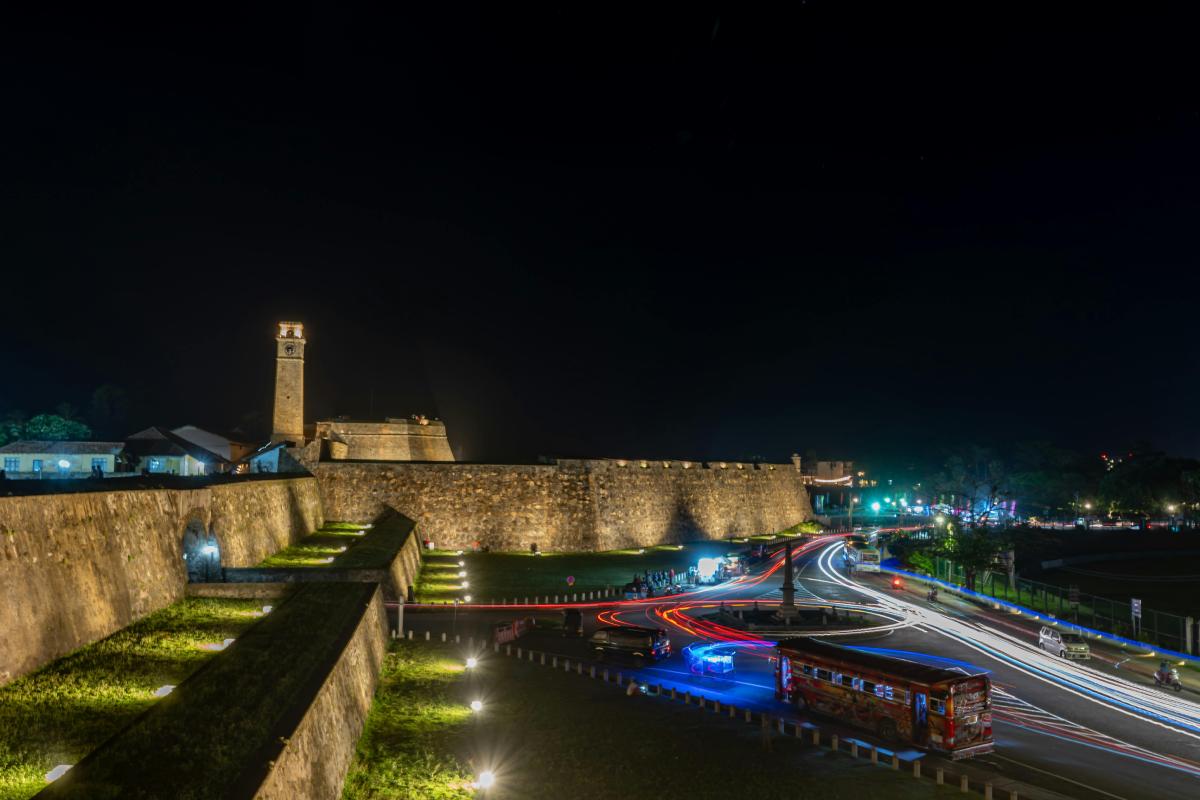
The Portuguese, Dutch, and British colonial periods also left different imprints on each region. Jaffna in the North became a center of education and Tamil culture under colonial influence, with missionary schools establishing a strong educational tradition. The South saw the development of colonial port cities like Galle, where the stunning Dutch fort still stands as a UNESCO World Heritage site, blending European architecture with tropical coastal living.
Cultural Tapestry and Religious Landscape
The cultural differences between North and South Sri Lanka are immediately apparent to any visitor. The North is predominantly Tamil and Hindu, with magnificent kovils (Hindu temples) dotting the landscape. The Nallur Kandaswamy Temple in Jaffna stands as one of the most significant Hindu temples on the island, its vibrant festivals drawing thousands of devotees. The annual Nallur Festival, lasting 25 days, transforms the entire region into a celebration of devotion, with processions, music, and ritual observances that have been maintained for centuries.
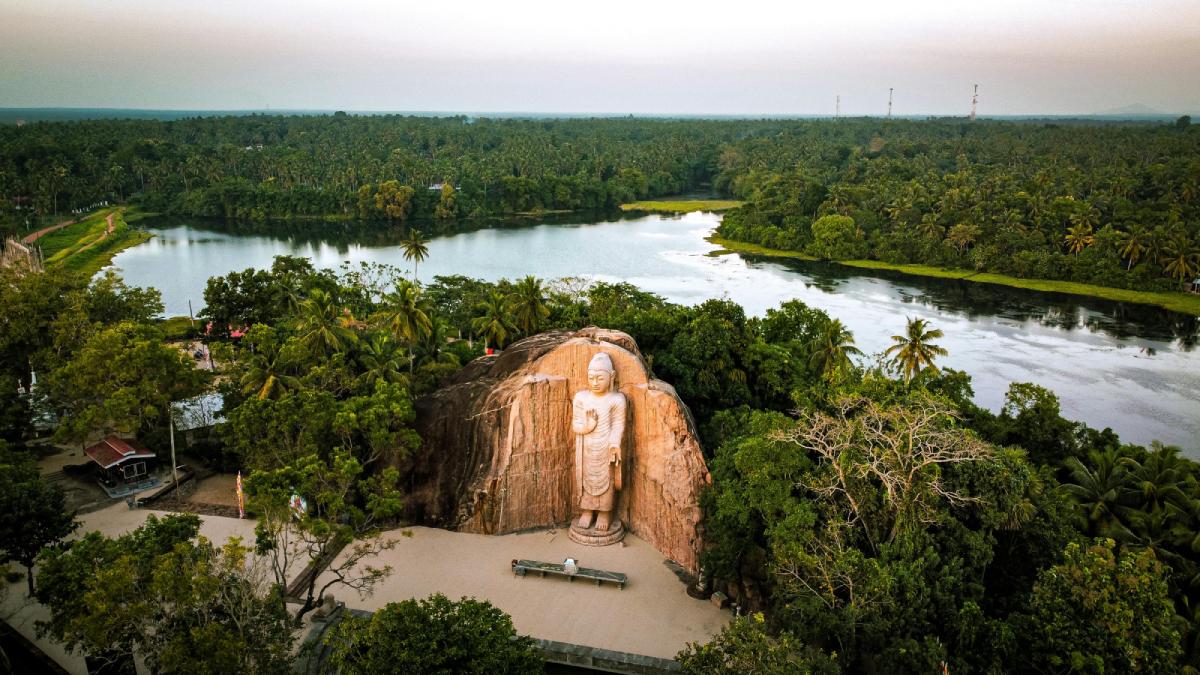
In contrast, the South is predominantly Sinhalese and Buddhist, with ancient stupas, temple complexes, and Buddhist monasteries forming the spiritual backbone of communities. The giant Buddha statues along the southern coast, the temple of Kataragama (which paradoxically attracts devotees of multiple faiths), and countless smaller temples create a distinctly Buddhist atmosphere. The morning ritual of monks collecting alms, the evening puja ceremonies, and the integration of Buddhist philosophy into daily life give the South a contemplative quality.
This religious divide extends to festivals and celebrations. While the South erupts in color during Vesak, celebrating the birth, enlightenment, and death of Buddha with elaborate lantern displays and dansala (free food stalls), the North comes alive during Deepavali and Thai Pongal, the harvest festival that’s central to Tamil culture. These different calendars of celebration mean that the cultural pulse of each region beats to different rhythms throughout the year.
Landscape and Geography
Despite sharing the same tropical climate, the landscapes of North and South Sri Lanka tell different stories. The North is characterized by relatively flat terrain, particularly in the Jaffna Peninsula, with arid conditions that become pronounced during dry seasons. Palmyra palms dominate the skyline, their distinctive fan-shaped fronds having sustained northern communities for generations through their versatile uses – from construction materials to toddy tapping.
The geography of the North includes unique features like the Jaffna Lagoon and a series of small islands accessible by causeway or boat. The islands of Delft, Nainativu, and Analitivu each have their own character, with Delft particularly famous for its wild horses, coral walls, and a baobab tree said to have been planted by the Portuguese. The northern coastline features pristine beaches that remained untouched for decades, such as Casuarina Beach, which is now slowly being discovered by travelers.
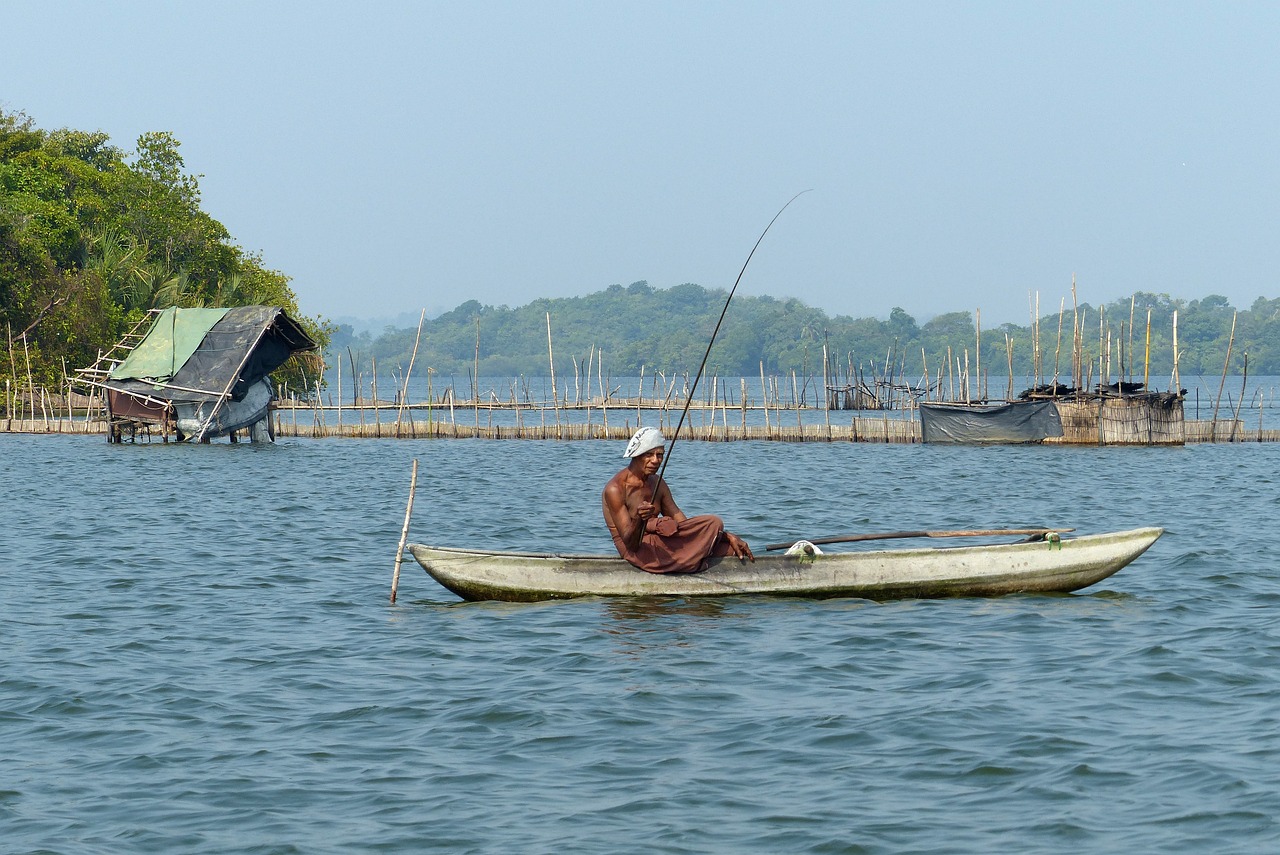
The South presents a dramatically different geography. The coastline here is more varied, with rocky outcrops, hidden coves, and the famous stilt fishermen of Weligama creating iconic images. The interior quickly rises into hill country, with tea plantations, waterfalls, and misty mountains creating a verdant contrast to the coastal areas. National parks like Yala in the southeast corner offer safari experiences where elephants, leopards, and countless bird species thrive in diverse ecosystems ranging from scrubland to forests.
The South’s beaches have been shaped by centuries of monsoon patterns and human development into distinct personalities. Mirissa offers whale watching and nightlife, Unawatuna provides a sheltered bay perfect for swimming, Tangalle delivers remote stretches of sand, and Arugam Bay (technically in the East but culturally and geographically connected to southern tourism circuits) has become a world-renowned surfing destination.
Culinary Traditions
The food cultures of North and South Sri Lanka reflect their different agricultural products, cultural influences, and culinary traditions. Northern Tamil cuisine showcases a distinctive style that shares connections with South Indian Tamil Nadu while maintaining its own identity. The use of palmyra products is ubiquitous – from palmyra jaggery sweetening desserts to palmyra fruit incorporated into savory dishes. Crab curry in Jaffna is legendary, prepared with a special blend of spices that differs markedly from southern preparations.
Jaffna’s vegetarian dishes particularly shine, with varieties of dosai, idiyappam (string hoppers), and pittu prepared with techniques passed down through generations. The region’s seafood, benefiting from the surrounding waters, is prepared with a liberal use of tamarind, curry leaves, and distinctive spice combinations. Palmyra-based sweets and snacks create flavors unique to the North.
Southern Sinhalese cuisine, while sharing some elements like rice and curry as a base, has its own character. Coconut features even more prominently, with coconut milk, grated coconut, and coconut oil forming the foundation of countless dishes. The South is famous for its hoppers (appa) – bowl-shaped fermented rice pancakes that are eaten for breakfast or dinner, often with a perfectly cooked egg in the center. String hoppers, while present in both regions, are prepared differently and served with different accompaniments.
Fish ambul thiyal, a sour fish curry from the South, represents the region’s coastal cuisine, while kottu roti – chopped roti stir-fried with vegetables, eggs, and meat – has become a nationwide favorite with distinct southern variations. The South’s cinnamon, a legacy of colonial spice trade, adds warmth to both savory and sweet dishes.
Tourism Infrastructure and Experience
The tourism experiences offered by North and South could hardly be more different. The South has decades of tourism development behind it, with infrastructure ranging from budget guesthouses to five-star resorts. The “Galle Face” to “Galle Fort” tourism trail is well-established, with professional tour operators, established restaurants, and a full spectrum of activities readily available. Surf schools, yoga retreats, whale watching operators, and cooking classes have created a mature tourism ecosystem.
Transportation in the South is relatively straightforward, with good roads, regular bus services, the scenic coastal railway line, and numerous tuk-tuk drivers familiar with tourist needs. The tourism industry here has learned to cater to international visitors, with English widely spoken in tourist areas and accommodation options clearly advertised.
The North, conversely, offers a more frontier experience. While development has accelerated since 2009, tourism infrastructure remains limited compared to the South. This creates both challenges and opportunities for travelers. Accommodation options are fewer, particularly in the mid-range category, though the hospitality of northern hosts often compensates for any lack of facilities. The absence of mass tourism means that beaches, temples, and cultural sites can often be experienced in relative solitude.
Traveling in the North requires more flexibility and adventurous spirit. Roads, while improving, may be less developed in remote areas. English proficiency outside main towns can be limited, and tourist services are still evolving. However, these challenges are precisely what attract certain travelers – those seeking authentic experiences, cultural immersion, and the privilege of seeing a region before mass tourism transforms it.
Daily Life and Pace
The rhythm of daily life differs noticeably between regions. The South, particularly in tourist areas, has adapted to international visitors and the 24-hour nature of the hospitality industry. Beach towns buzz with activity from early morning surf sessions through late-night beach parties. Markets cater to both locals and tourists, and there’s a cosmopolitan blend of traditional Sri Lankan life and global tourism culture.
In the North, daily life moves to a more traditional cadence. Markets remain primarily local affairs, the afternoon heat brings a quieter period to the streets, and evenings are family-centered. The reconstruction and development process means there’s energy and ambition in urban centers like Jaffna, but it’s channeled differently than in the tourist-focused South. Cultural preservation feels more urgent in the North, with communities working to maintain traditions while building toward the future.
Natural Wonders and Wildlife
Both regions boast impressive natural attractions, though of different characters. The South’s national parks, particularly Yala, have become famous for leopard sightings, making it one of the best places in the world to see these elusive cats. Udawalawe National Park offers reliable elephant sightings, while Bundala attracts birdwatchers with its flamingos and migratory species.
The North’s natural wonders have been less publicized but are no less remarkable. The islands off Jaffna offer unique ecosystems, while migratory birds use the northern wetlands as crucial waypoints. The marine environment around the North, less disturbed by decades of tourism, harbors pristine coral reefs and marine life. As ecotourism develops, the North may offer some of Sri Lanka’s best snorkeling and diving experiences.
Looking Forward
The trajectories of North and South Sri Lanka continue to diverge and converge in interesting ways. The South faces challenges of overdevelopment in some areas, with concerns about environmental sustainability and maintaining cultural authenticity in the face of mass tourism. Finding the balance between economic development and preservation is an ongoing negotiation.
The North stands at a crossroads, with the opportunity to learn from the South’s experience. There’s potential to develop sustainable tourism that benefits local communities while preserving the region’s cultural heritage and natural beauty. The slow pace of development, while sometimes frustrating for those seeking rapid economic growth, may actually be an advantage if it allows for more thoughtful, community-centered planning.
Conclusion
Sri Lanka’s North and South are not competing regions but complementary chapters in the island’s story. The South offers the confidence of established tourism, spectacular beaches, wildlife safaris, and the layered history visible in colonial forts and Buddhist temples. It provides comfort, accessibility, and the full range of tropical island experiences that have made Sri Lanka famous.
The North offers something increasingly rare in our connected world – the chance to witness a region in transition, to experience culture deeply rooted in place, and to be among the first wave of travelers to discover pristine beaches and profound cultural sites. It requires more patience and flexibility but rewards travelers with authenticity and the privilege of meaningful cultural exchange.
For the traveler seeking to truly understand Sri Lanka, both regions are essential. Together, they reveal the complexity, resilience, and diversity that make this small island such an outsized presence in the hearts of those who visit. Whether you’re drawn to the developed delights of the South or the emerging authenticity of the North, Sri Lanka promises experiences that linger long after you’ve left its shores. The wisest travelers will make time for both, allowing each region to tell its part of Sri Lanka’s remarkable story.