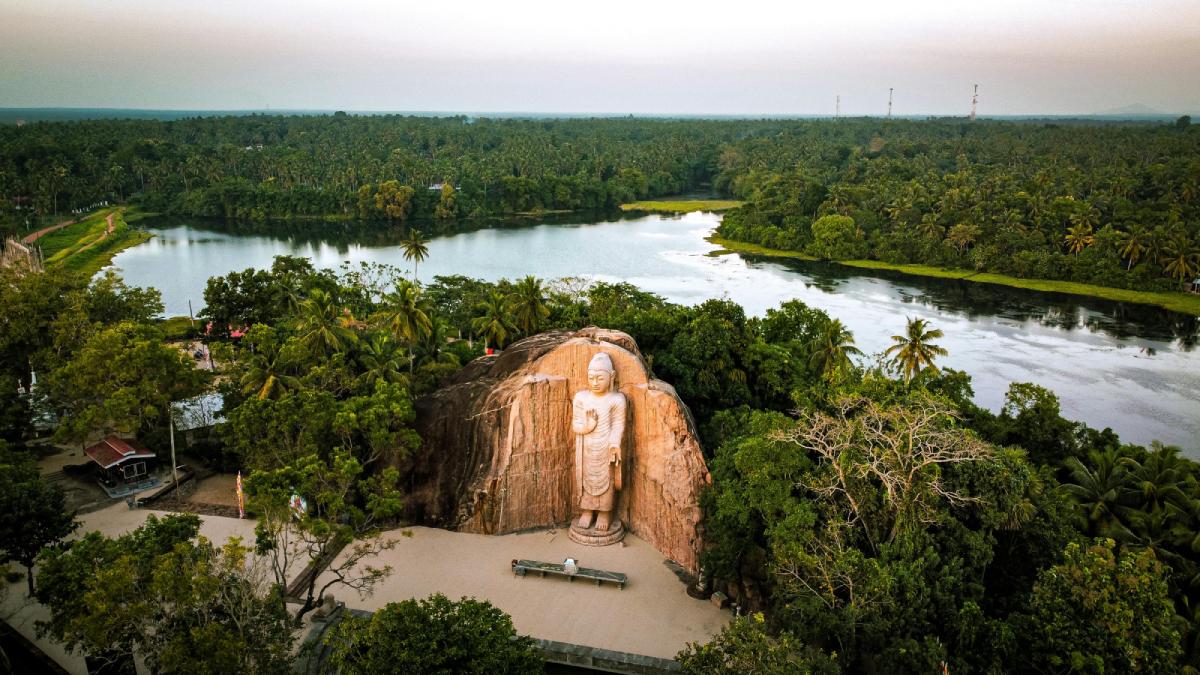
Sri Lanka, the teardrop-shaped island nation off the southern coast of India, has emerged as one of Asia’s most captivating backpacking destinations. With its extraordinary blend of ancient temples, misty tea plantations, pristine beaches, abundant wildlife, and incredibly warm hospitality, this compact country offers an adventure-packed journey that rivals destinations twice its size. Whether you’re seeking spiritual enlightenment, adrenaline-pumping activities, or simply a place to unwind on golden sands, Sri Lanka delivers on all fronts while remaining remarkably budget-friendly. The Ultimate Sri Lanka Backpacking Guide.
Why Backpack Sri Lanka? – The Ultimate Sri Lanka Backpacking Guide
Sri Lanka punches well above its weight when it comes to diversity. In a country roughly the size of Ireland, you’ll find eight UNESCO World Heritage Sites, countless surfing spots, some of the world’s finest tea estates, leopards prowling through national parks, and a culinary scene that will leave your taste buds dancing. The locals are genuinely friendly and curious about travelers, English is widely spoken, and the infrastructure for budget travelers continues to improve year after year.
The best part? You can experience all of this without breaking the bank. Sri Lanka remains one of the most affordable countries in Asia for backpackers, with accommodation, food, and transport available at prices that allow even the most budget-conscious travelers to explore comfortably.
When to Visit
Sri Lanka experiences two monsoon seasons, which means that while one part of the country might be rainy, another region is likely enjoying sunshine. The southwest coast and hill country are best visited from December to March, while the east coast shines from April to September. The cultural triangle in the central-north region can be visited year-round, though it’s hottest from March to July.
For backpackers, the shoulder seasons (April-May and September-October) offer a sweet spot of fewer tourists, lower prices, and generally decent weather across most of the island. However, even during monsoon season, rain typically comes in short, heavy bursts rather than all-day downpours, so don’t let it completely deter you from visiting.
Budget Breakdown
Sri Lanka is incredibly affordable for backpackers. Daily budgets can vary depending on your travel style, but here’s a rough breakdown:
Ultra-Budget: $15-25 per day
- Accommodation: $5-10 in guesthouses or hostels
- Food: $5-10 eating local rice and curry
- Transport: $3-5 using local buses
- Activities: Free beaches and temples
Mid-Range Backpacker: $30-50 per day
- Accommodation: $15-25 for nicer guesthouses or hostels
- Food: $10-15 mixing local food with tourist restaurants
- Transport: $5-10 including some trains and tuk-tuks
- Activities: $10-15 for occasional paid attractions
Comfortable Budget: $60-80 per day
- Accommodation: $30-40 for boutique guesthouses
- Food: $15-20 eating well everywhere
- Transport: $10-15 including hired tuk-tuks
- Activities: $15-20 for multiple attractions
Getting Around
Transportation in Sri Lanka is an adventure in itself, offering everything from scenic train journeys to chaotic bus rides.
Trains: The train network connects major cities and offers some of the world’s most scenic rail journeys. The Kandy to Ella route through the tea country is legendary among backpackers, with trains clinging to mountainsides as they pass through emerald plantations and misty valleys. Book second or third class for an authentic experience and to meet locals. First class is available but less atmospheric.
Buses: Local buses are the cheapest way to get around and reach places trains don’t go. They’re crowded, sometimes chaotic, but always an adventure. Express buses and intercity buses offer more comfort for slightly higher prices. Download the Moovit or Sri Lanka Travel app to help navigate routes.
Tuk-tuks: These three-wheeled vehicles are perfect for short distances. Always negotiate the price before getting in, or use ride-hailing apps like PickMe or Uber in larger cities for metered fares.
Scooter Rental: Renting a scooter (around $5-10 per day) offers incredible freedom, though traffic can be intense and road conditions variable. An international driving permit is technically required.
Must-Visit Destinations
Colombo The capital city is often overlooked by backpackers rushing to beaches and hills, but it deserves at least a day or two. Explore the colonial Fort area, browse the chaotic Pettah markets, visit the Gangaramaya Temple, and enjoy sunset at Galle Face Green. The city has a growing cafe and nightlife scene that’s worth experiencing.
Cultural Triangle This region forms the heart of ancient Sri Lankan civilization. Sigiriya’s Lion Rock fortress offers stunning views after a climb up 1,200 steps. The ancient cities of Polonnaruwa and Anuradhapura showcase impressive ruins and sacred temples. Dambulla’s cave temples are filled with Buddha statues and vibrant frescoes. Base yourself in Sigiriya or Dambulla and explore by bicycle or tuk-tuk.
Kandy Sri Lanka’s cultural capital sits in the hills and centers around the sacred Temple of the Tooth, which houses a relic of Buddha. The city itself can feel touristy, but it’s a necessary stop between Colombo and the hill country. Don’t miss the traditional dance performances and the peaceful walk around Kandy Lake.
Ella This laid-back mountain town has become backpacker central, and for good reason. Hike up Little Adam’s Peak for sunrise, walk across the Nine Arch Bridge as trains pass through, and trek to Ella Rock for panoramic views. The town itself is full of cozy cafes, hostels with mountain views, and a relaxed vibe perfect for meeting fellow travelers.
Nuwara Eliya and Tea Country Known as “Little England,” this hill station feels delightfully colonial with its cooler climate and British-style architecture. The real draw is the surrounding tea plantations. Visit a tea factory to learn about production and sample fresh Ceylon tea. Horton Plains National Park nearby offers the dramatic World’s End viewpoint.
South Coast Beaches The southern coastline is dotted with beautiful beaches, each with its own character. Mirissa is famous for whale watching and beach parties. Unawatuna offers calm swimming and a backpacker scene. Tangalle provides a quieter escape. Hikkaduwa is known for surfing and diving. You could easily spend weeks beach-hopping along this coast.
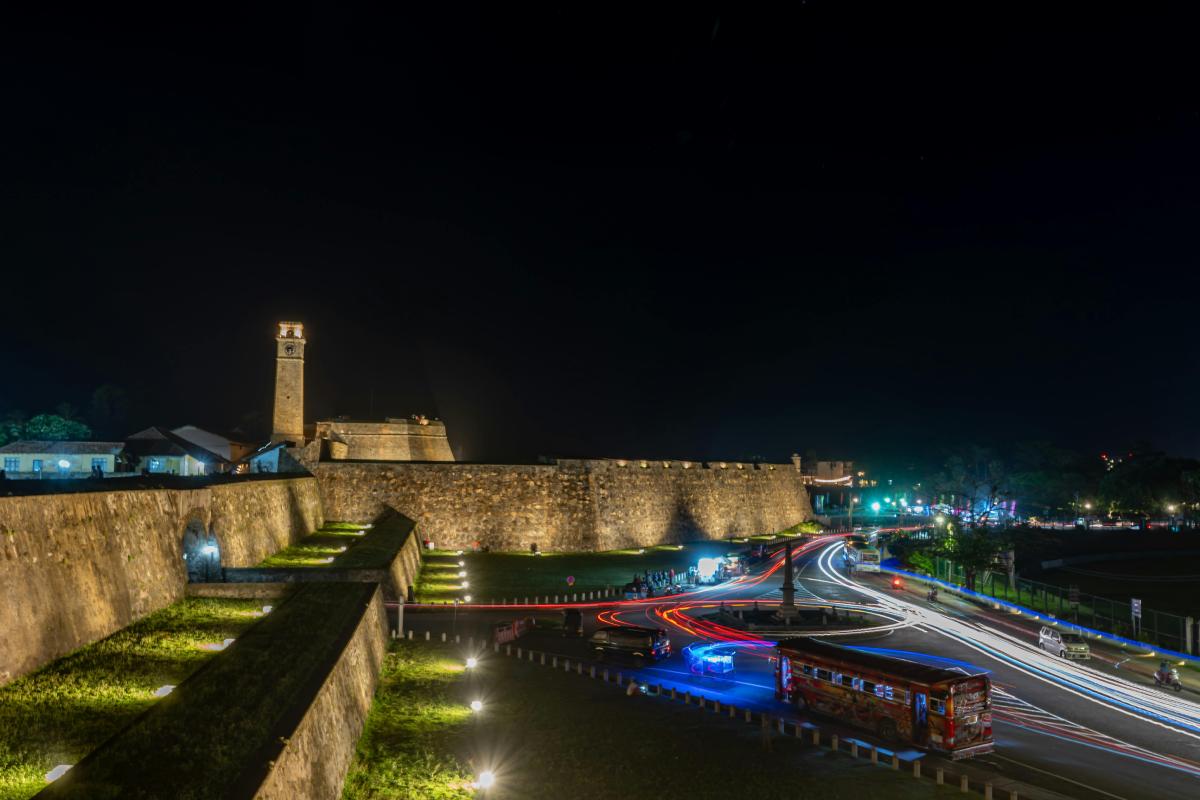
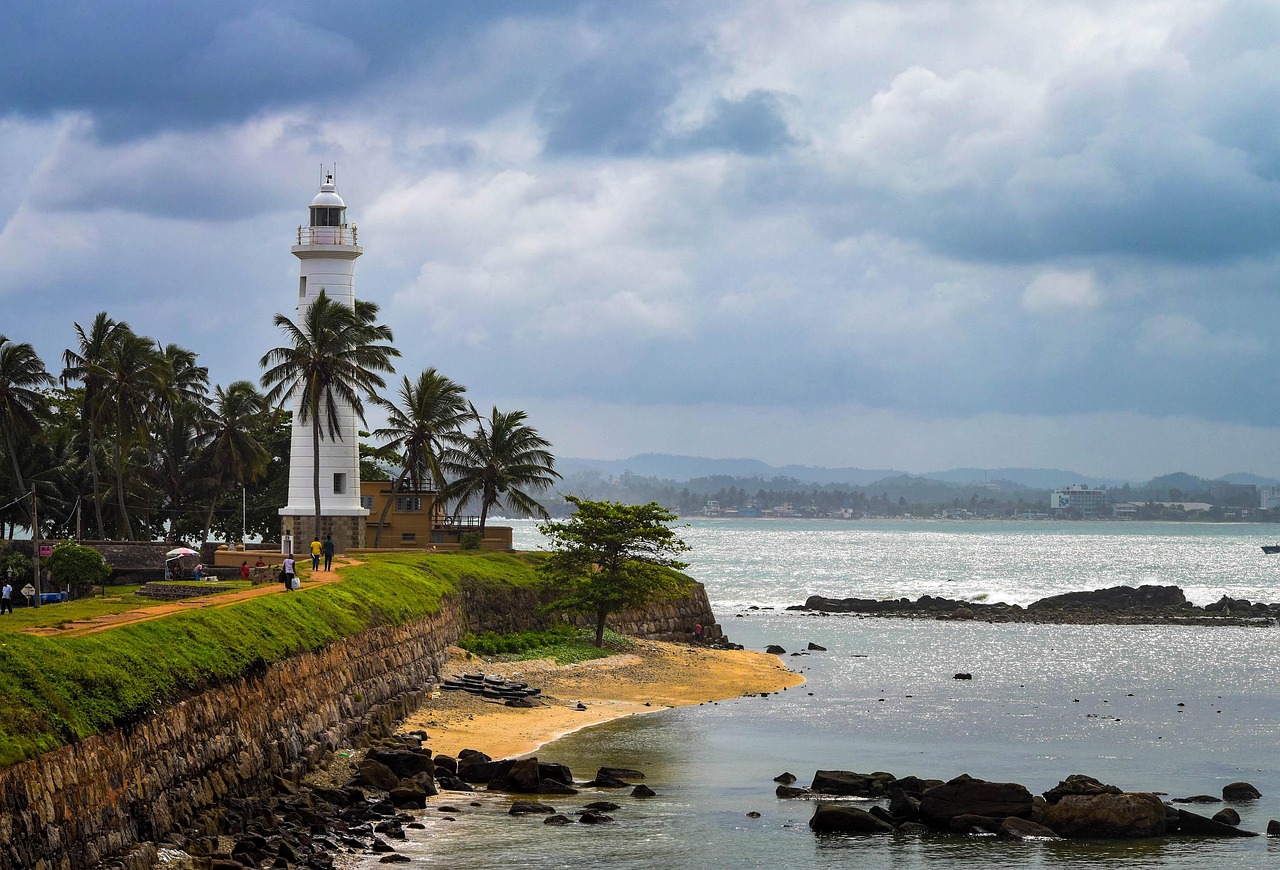
Galle This colonial fort town is beautifully preserved with Dutch architecture, rampart walls perfect for sunset strolls, and narrow streets filled with boutiques and cafes. It’s more upmarket than other backpacker stops but worth visiting for its atmosphere and history.
East Coast Less developed than the south, the east coast offers pristine beaches and a more off-the-beaten-path experience. Arugam Bay is a world-class surf destination. Trincomalee has excellent diving and snorkeling. Pasikuda offers picture-perfect beaches with shallow waters.
Yala National Park For wildlife enthusiasts, Yala offers one of the best chances in the world to spot leopards. The park also hosts elephants, sloth bears, crocodiles, and countless bird species. Book a safari jeep tour through your guesthouse or a tour operator.
Food and Drink
Sri Lankan cuisine is a revelation for food-loving backpackers. The staple is rice and curry, which isn’t a single dish but rather rice accompanied by multiple curries featuring vegetables, dal, fish, or chicken, along with sambols (spicy condiments) and papadum. A local rice and curry meal costs just $1-3 and is incredibly filling.
Street food is fantastic and safe if you choose busy stalls. Try kottu roti (chopped roti stir-fried with vegetables and meat), hoppers (bowl-shaped pancakes), string hoppers (steamed rice noodles), and vadai (fried lentil fritters). Coconut features heavily in the cuisine, adding richness to curries and sweetness to desserts.
Fresh tropical fruits are abundant and cheap. Don’t miss king coconuts for their refreshing water, and try wood apple juice for something unique. Ceylon tea is world-famous and drinking it fresh in the plantations where it’s grown is a memorable experience.
For those missing Western food, tourist areas have plenty of cafes serving everything from pizza to pasta, though prices are higher than local fare.
Accommodation Tips
Sri Lanka’s backpacker accommodation scene has exploded in recent years. Hostels in popular areas like Ella, Mirissa, and Arugam Bay offer dorm beds for $5-10 with social atmospheres perfect for meeting other travelers. Many feature swimming pools, organized activities, and helpful staff who can arrange tours.
Guesthouses remain excellent value, often run by local families who provide insight into Sri Lankan life. For $10-20, you’ll typically get a clean private room with fan or air conditioning. Many include breakfast, and some offer cooking classes or other experiences.
Book accommodation a day or two in advance during peak season (December-March), but outside these months, you can often just turn up and find something. Booking.com, Hostelworld, and Agoda all work well in Sri Lanka.
Activities for Backpackers
Surfing: Arugam Bay and Weligama are top spots for learning or improving your surfing. Board rental and lessons are cheap compared to Western countries.
Hiking: Free or cheap hiking opportunities abound, from Adam’s Peak (a holy site with thousands of steps to the summit) to the various trails around Ella and Knuckles Mountain Range.
Wildlife Safari: While not dirt cheap ($30-50 per person), safaris in Yala, Udawalawe, or Minneriya national parks offer incredible wildlife encounters.
Whale Watching: Mirissa offers tours to spot blue whales and dolphins from November to April.
Diving and Snorkeling: The waters around Sri Lanka host shipwrecks, coral reefs, and diverse marine life. Trincomalee, Hikkaduwa, and Unawatuna are popular spots.
Temple Visits: Most temples charge modest entrance fees ($2-5) or are free. Dress modestly (covered shoulders and knees) and remove shoes before entering.
Cultural Considerations
Sri Lankans are predominantly Buddhist and Hindu, and religious sites should be treated with respect. Always remove shoes and hats before entering temples, dress modestly, and never pose disrespectfully with Buddha statues (turning your back to them for photos is considered offensive).
The left hand is considered unclean, so use your right hand when eating or passing items. Public displays of affection are frowned upon, even holding hands in some areas.
Sri Lankans are curious and friendly, often striking up conversations with travelers. This genuine warmth is one of the country’s greatest assets, though solo female travelers should maintain normal travel precautions.
Practical Tips
Visa: Most nationalities can obtain an Electronic Travel Authorization (ETA) online before arrival for around $50, valid for 30 days.
Money: ATMs are widely available in cities and tourist areas. Credit cards are accepted in tourist establishments, but carry cash for local restaurants, buses, and small guesthouses.
Internet: WiFi is available in most accommodations and cafes. Consider buying a local SIM card (Dialog or Mobitel) for cheap data.
Language: Sinhala and Tamil are the main languages, but English is widely spoken in tourist areas.
Safety: Sri Lanka is generally very safe for travelers. Petty theft is rare but use common sense. Traffic is probably the biggest danger, so be careful crossing streets.
Bargaining: Expected in markets and with tuk-tuk drivers, but don’t be aggressive. Many shops have fixed prices.
Packing Essentials
Pack light and bring layers. The coast is hot and humid, while the hill country can be surprisingly cool, especially at night. A light rain jacket is useful year-round. Modest clothing for temple visits is essential. Don’t forget:
- Sunscreen and insect repellent
- Reusable water bottle (tap water isn’t drinkable, but filtered water is widely available)
- Power adapter (Type D and G plugs)
- Small daypack for day trips
- Flip-flops or sandals for beach and guesthouses
- Flashlight or headlamp (power cuts can happen)
Final Thoughts
Sri Lanka offers one of the most rewarding backpacking experiences in Asia. The combination of stunning natural beauty, rich culture, affordable prices, and genuinely friendly people creates an environment where travelers can immerse themselves in authentic experiences without spending a fortune. Whether you spend two weeks or two months exploring this diverse island, you’ll leave with incredible memories, new friends, and a deep appreciation for Sri Lankan culture.
The country has bounced back strongly from past challenges and welcomes travelers with open arms. By traveling respectfully, supporting local businesses, and engaging with communities, backpackers contribute positively to Sri Lanka’s economy while gaining experiences that will stay with them forever. So pack your bag, embrace the adventure, and discover why this island paradise has captured the hearts of backpackers from around the world.