Discovering the Charm of Weligama Beach Sri Lanka
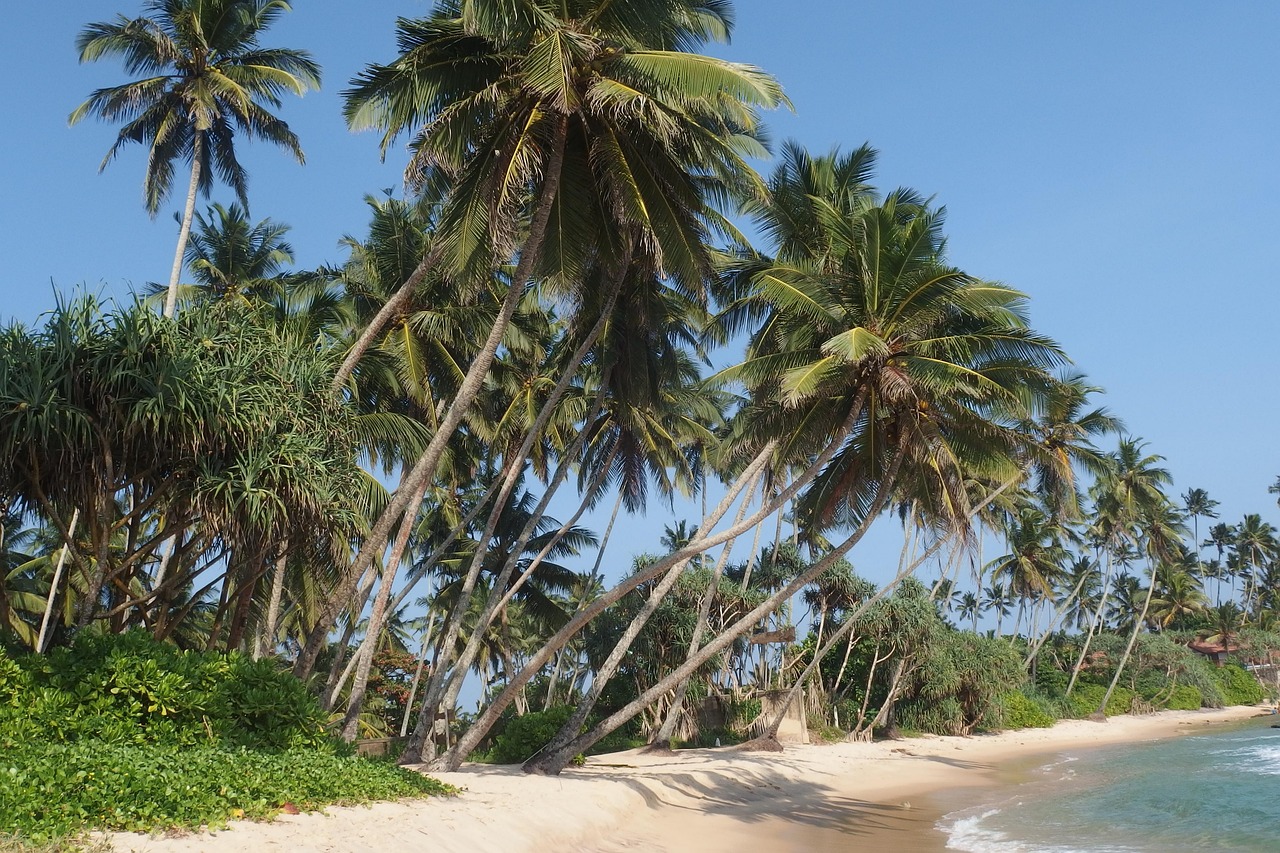
Nestled along the stunning southern coastline of Sri Lanka, Weligama Beach stands as one of the island nation’s most captivating coastal destinations. This crescent-shaped bay, whose name translates to “Sandy Village” in Sinhalese, offers visitors an authentic slice of Sri Lankan beach life combined with world-class surfing conditions, rich cultural heritage, and breathtaking natural beauty. Weligama Beach Sri Lanka.
Unlike some of the more commercialized beach destinations in Sri Lanka, Weligama has managed to retain its laid-back fishing village atmosphere while still providing modern amenities for travelers. Whether you’re a seasoned surfer chasing the perfect wave, a culture enthusiast eager to witness traditional stilt fishing, or simply a beach lover seeking a tranquil escape, Weligama Beach promises an unforgettable experience that captures the essence of tropical paradise.
In this comprehensive guide, we’ll explore everything you need to know about Weligama Beach, from its fascinating history and iconic attractions to practical travel tips that will help you make the most of your visit to this Sri Lankan gem.
Location and Getting There
Weligama is situated in the Matara District of Sri Lanka’s Southern Province, approximately 144 kilometers south of Colombo, the country’s capital city. The town sits along the scenic southern coastal road, making it easily accessible from several major destinations.
By Train
One of the most scenic ways to reach Weligama is by train. The coastal railway line from Colombo to Matara passes directly through Weligama, offering passengers spectacular views of the Indian Ocean throughout the journey. The train ride takes approximately 2.5 to 3 hours from Colombo Fort Station and is considered one of the most beautiful train journeys in Sri Lanka. The affordable ticket prices and air-conditioned compartments make this an attractive option for budget-conscious travelers and those seeking an authentic Sri Lankan experience.
By Bus
Regular bus services connect Weligama to Colombo, Galle, Matara, and other major cities along the southern coast. Express buses from Colombo take around 3 to 4 hours depending on traffic conditions. Local buses are frequent and inexpensive, making it easy to explore neighboring towns and attractions.
By Car or Taxi
For those preferring private transportation, the Southern Expressway has significantly reduced travel time from Colombo to the southern coast. The drive takes approximately 2 to 2.5 hours via the expressway, offering a comfortable and convenient option for families or groups traveling with luggage.
From Galle
If you’re staying in the historic fort city of Galle, Weligama is just 30 kilometers to the east, making it an easy day trip or a natural next stop on your coastal adventure.
The Rich History and Cultural Significance
Weligama’s history stretches back centuries, with evidence of human habitation dating to ancient times. The town has long served as an important fishing community, with generations of families passing down traditional fishing techniques and maritime knowledge.
The Legend of Kushtarajagala
One of Weligama’s most intriguing historical landmarks is the Kushtarajagala, also known as the Leper King statue. This ancient rock carving, believed to date back to the 7th century, depicts a figure that local legend claims represents a king who was cured of leprosy after arriving in Weligama. Standing approximately 3 meters tall, this mysterious sculpture continues to fascinate historians and visitors alike, with its true origin and purpose still debated among scholars.
Colonial Influences
Like much of coastal Sri Lanka, Weligama bears the marks of colonial history. Portuguese, Dutch, and British influences can be seen in the architecture, cuisine, and cultural practices of the region. The town’s strategic location along important maritime trade routes meant it witnessed the comings and goings of various colonial powers throughout the centuries.
The Beach: Natural Beauty and Features
Weligama Beach stretches for approximately one kilometer along a sheltered bay, creating a natural harbor that has protected fishing boats and swimmers for generations. The beach’s gentle curve and relatively calm waters make it distinctly different from some of the more rugged beaches found elsewhere on the southern coast.
The Sandy Shore
The golden sand of Weligama Beach is soft underfoot and perfect for leisurely walks, especially during the early morning or late afternoon when temperatures are cooler. The beach is wide enough to accommodate both swimmers and sunbathers, with plenty of space to find your own private patch of paradise even during busy periods.
Water Conditions
The bay’s protected nature means that waves at Weligama are generally more moderate than at exposed beaches, making it ideal for beginner surfers and families with children. The water temperature remains warm throughout the year, typically ranging from 26 to 29 degrees Celsius, perfect for swimming and water activities.
Taprobane Island
Just offshore from Weligama Beach sits the enchanting Taprobane Island, a tiny private island crowned by an elegant villa that has hosted numerous celebrities and writers over the decades. Originally known as Galduwa, the island was renamed Taprobane by its English owner in the 1920s. While the island itself is private, it serves as a stunning backdrop for photographs and adds an element of mystique to the Weligama seascape.
Surfing Paradise: Riding the Waves of Weligama
Weligama has earned a well-deserved reputation as one of the best places in Sri Lanka—and indeed in all of Asia—for beginner and intermediate surfers. The consistent, gentle waves and sandy bottom create ideal conditions for learning to surf or improving your skills.
Why Surfers Love Weligama
The beach break at Weligama produces long, rolling waves that are forgiving for beginners while still providing enough power to keep intermediate surfers entertained. Unlike reef breaks that can be dangerous for newcomers, the sandy bottom here minimizes the risk of injury from wipeouts.
The main surf break is located toward the eastern end of the bay, where waves typically reach heights of 1 to 3 feet, occasionally building to 4-5 feet during swells. The wave period is usually long enough to give surfers plenty of time to position themselves and catch rides.
Surf Schools and Board Rentals
Weligama is home to numerous surf schools catering to all skill levels. Professional instructors, many of whom are locals who grew up surfing these waters, offer lessons that typically include board rental, instruction on surf etiquette, and safety guidance. Prices are competitive, making Weligama an affordable destination for those looking to learn to surf or take their skills to the next level.
Board rentals are readily available along the beach, with options ranging from soft-top beginner boards to performance shortboards for experienced surfers. Most rental shops also offer secure storage for valuables, allowing you to focus on the waves without worrying about your belongings.
Best Time for Surfing
The primary surf season in Weligama runs from November to April, coinciding with the dry season on the southern coast. During this period, waves are consistent, weather is pleasant, and offshore winds help create clean, well-shaped waves. However, surfable conditions can be found year-round, with the monsoon season (May to October) bringing larger swells that appeal to more experienced surfers.
The Iconic Stilt Fishermen
No discussion of Weligama would be complete without mentioning the famous stilt fishermen, one of Sri Lanka’s most photographed and recognizable images. This traditional fishing method, unique to the southern coast of Sri Lanka, has become synonymous with Weligama.
The Tradition
Stilt fishing involves fishermen perching on cross bars attached to vertical poles (known as “petta”) planted in the shallow waters of the reef. From these elevated positions, fishermen cast their lines into the water below, targeting small fish that swim past. The practice originated as a way to fish without boats, with stilts allowing fishermen to access fishing spots without disturbing the water.
A Fading Practice
It’s important for visitors to understand that while stilt fishing was once a genuine livelihood for local fishermen, the practice has evolved significantly in recent years. Today, many of the stilt fishermen you’ll encounter are primarily posing for tourists, often requesting payment for photographs. While this can feel somewhat commercialized, it also represents an adaptation by local families seeking to preserve their cultural heritage while earning income from tourism.
For the most authentic experience, visit early in the morning when some fishermen still practice traditional techniques. Regardless of whether the fishing is for sustenance or performance, the sight of these figures silhouetted against the sunrise remains undeniably captivating.
Where to Stay: Accommodation Options
Weligama offers accommodation options to suit every budget and travel style, from budget hostels popular with backpackers and surfers to luxurious boutique hotels with stunning ocean views.
Budget Options
Backpackers and budget travelers will find plenty of guesthouses, hostels, and homestays offering basic but comfortable rooms at affordable prices. Many of these establishments are run by local families, providing an opportunity to experience genuine Sri Lankan hospitality while keeping costs low. Dorm beds can be found for as little as $10-15 per night, while private rooms typically range from $20-40.
Mid-Range Hotels
For those seeking more comfort without breaking the bank, Weligama has numerous mid-range hotels and guesthouses offering air-conditioned rooms, swimming pools, and ocean views. These properties typically range from $50-100 per night and often include breakfast.
Luxury Resorts
At the top end of the market, Weligama boasts several luxury resorts and boutique hotels offering world-class amenities, infinity pools overlooking the bay, spa services, and gourmet dining. These properties provide an ideal base for those seeking a more pampered beach experience, with rates typically starting around $150-200 per night and going up significantly for premium options.
Food and Dining
Weligama’s dining scene reflects its coastal location and multicultural influences, offering everything from fresh seafood to international cuisine.
Seafood Delights
As a fishing village, Weligama naturally excels at seafood. Restaurants along the beach serve the day’s catch prepared in various styles—grilled, curried, or fried. Prawns, crab, lobster, and a variety of fish are staples on local menus. For the freshest experience, visit one of the beachside restaurants where you can often select your fish directly from the morning’s haul.
Traditional Sri Lankan Cuisine
No visit to Weligama would be complete without sampling traditional Sri Lankan food. Rice and curry remains the national dish, featuring fragrant rice accompanied by an array of vegetable and meat curries, sambols, and chutneys. Kottu roti—a stir-fried dish made with chopped roti, vegetables, and meat—is a popular evening street food that you’ll hear being prepared at food stalls throughout town.
International Options
Catering to the international surf and tourist crowd, Weligama also offers pizza, pasta, burgers, and other Western favorites at numerous cafes and restaurants. Many establishments offer a mix of local and international dishes, making it easy to satisfy diverse cravings.
Nearby Attractions and Day Trips
While Weligama Beach itself offers plenty to keep visitors entertained, the surrounding area is rich with attractions worth exploring.
Mirissa
Just a short drive east of Weligama, Mirissa is famous for its whale-watching opportunities. From November to April, blue whales, sperm whales, and dolphins can be spotted off the coast, making for an unforgettable marine adventure.
Galle Fort
Approximately 30 kilometers west of Weligama, the UNESCO World Heritage Site of Galle Fort offers a fascinating glimpse into Sri Lanka’s colonial past. The well-preserved Dutch colonial fortifications, cobblestone streets, and charming cafes make this an essential day trip.
Turtle Hatcheries
Several turtle hatcheries along the southern coast work to protect endangered sea turtle species. These conservation centers offer visitors the chance to learn about turtle protection efforts and, depending on the season, witness baby turtles being released into the ocean.
Tea Plantations
For those willing to venture inland, the hill country’s famous tea plantations are within reach for a day trip. The journey through winding mountain roads offers stunning scenery, and visits to working tea estates provide insight into Sri Lanka’s most famous export.
Best Time to Visit
Understanding Sri Lanka’s weather patterns will help you plan the perfect Weligama getaway.
Dry Season (November to April)
This period offers the best weather for beach activities, with minimal rainfall, plenty of sunshine, and consistent surf conditions. This is peak tourist season, meaning higher prices and larger crowds, but also the most reliable conditions for enjoying everything Weligama has to offer.
Monsoon Season (May to October)
The southwest monsoon brings rain to the southern coast during these months, with May and June typically being the wettest. While beach days may be interrupted by showers, this season offers benefits including lower prices, fewer tourists, and larger swells for experienced surfers.
Practical Travel Tips
Currency and Payments
The Sri Lankan Rupee (LKR) is the local currency. While larger establishments accept credit cards, many smaller shops, restaurants, and surf schools prefer cash. ATMs are available in Weligama town.
Health and Safety
Weligama is generally safe for tourists, but standard precautions apply. Protect yourself from the strong tropical sun with sunscreen and appropriate clothing. Stay hydrated, especially when surfing or engaging in physical activities. Be cautious with street food if you have a sensitive stomach.
Respect Local Culture
Sri Lanka is a predominantly Buddhist country with conservative values, particularly outside tourist areas. Dress modestly when visiting temples or wandering through town, covering shoulders and knees. Remove shoes before entering temples and private homes.
Negotiating
Bargaining is common at markets and with tuk-tuk drivers. Approach negotiations with a smile and fair expectations—haggling should be friendly rather than aggressive.
Conclusion
Weligama Beach embodies everything that makes Sri Lanka’s southern coast such a compelling destination. From the gentle waves that welcome beginner surfers to the mystical silhouettes of stilt fishermen against the setting sun, from the fresh seafood served at beachside restaurants to the warm hospitality of local people, Weligama offers an experience that stays with visitors long after they’ve left its golden shores.
Whether you spend a few days learning to surf, a week exploring the surrounding attractions, or simply lose track of time watching the waves roll in, Weligama Beach promises the kind of authentic, enriching travel experience that has made Sri Lanka one of the world’s most beloved destinations.
As Sri Lanka continues to develop its tourism infrastructure while working to preserve its natural beauty and cultural heritage, Weligama stands as a shining example of balanced, sustainable tourism. The beach remains accessible and affordable while offering the quality experiences that modern travelers seek.
So pack your bags, grab your sunscreen, and prepare to discover why travelers from around the world have fallen in love with Weligama Beach—Sri Lanka’s sandy village paradise on the Indian Ocean.