In the ever-expanding world of remote work, digital nomads are constantly seeking their next paradise—a place that offers reliable internet, affordable living, stunning scenery, and a vibrant culture. While destinations like Bali, Chiang Mai, and Lisbon have dominated the conversation for years, there’s a hidden gem in the Indian Ocean that’s rapidly gaining attention: Sri Lanka. Why Sri Lanka Is Perfect for Digital Nomads.
This teardrop-shaped island nation, located just off the southern coast of India, offers an intoxicating blend of ancient culture, tropical beaches, misty highlands, incredible cuisine, and warm hospitality. But beyond its obvious tourist appeal, Sri Lanka presents a compelling case for digital nomads looking to establish a productive and fulfilling remote work base. Here’s why this island paradise deserves a spot at the top of your nomad destination list.
Affordable Cost of Living – Why Sri Lanka Is Perfect for Digital Nomads
One of the most attractive features of Sri Lanka for digital nomads is its remarkably affordable cost of living. Your money stretches significantly further here than in most Western countries, and even compared to many popular Southeast Asian destinations.
Accommodation options range from budget guesthouses at $10-15 per night to comfortable modern apartments with all amenities for $300-500 per month. In popular digital nomad hubs like Colombo, Galle, and Mirissa, you can find fully furnished apartments with high-speed internet, often in buildings with gyms and pools. Co-living spaces are also emerging, offering ready-made communities for remote workers.
Food costs are exceptionally low if you eat like a local. A hearty rice and curry meal at a local restaurant costs just $2-3, while street food snacks can be had for under a dollar. Even at upscale restaurants in tourist areas, you’ll rarely spend more than $15-20 per person for a full meal with drinks. Coffee culture is thriving in cities like Colombo, with excellent cafes offering specialty brews for $2-3.
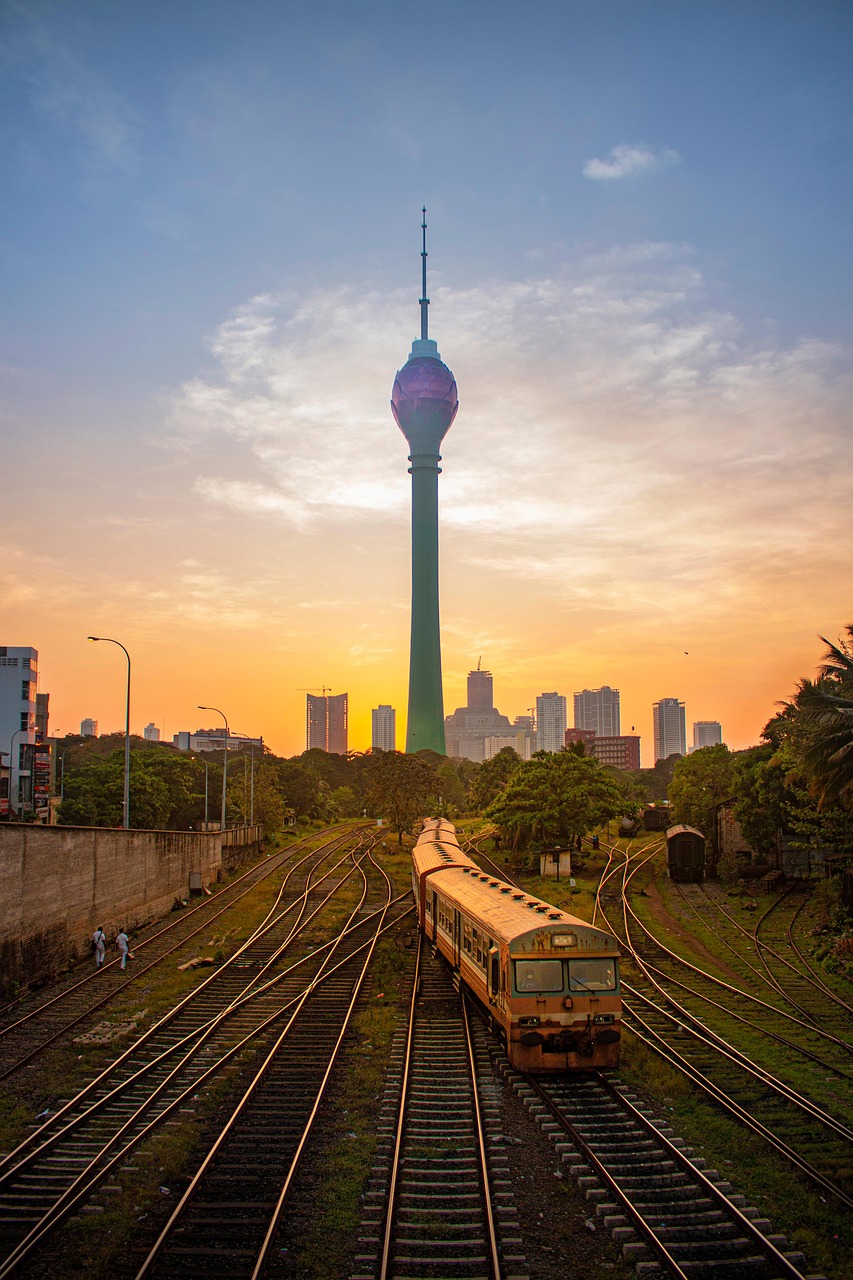
Transportation is equally budget-friendly. Local buses cost mere cents, tuk-tuks (three-wheeled taxis) are available everywhere for short trips at $1-3, and ride-sharing apps like Uber and PickMe offer affordable options in major cities. If you want to explore the island, trains provide scenic journeys at incredibly low prices—the famous Kandy to Ella route, considered one of the world’s most beautiful train rides, costs less than $2 for second class.
Overall, a comfortable lifestyle in Sri Lanka can be maintained on $800-1200 per month, while a more luxurious approach might run $1500-2000—still a fraction of what you’d spend in most Western cities.
Diverse Landscapes and Endless Exploration
Few countries offer the geographical diversity that Sri Lanka packs into its compact size. At roughly 65,000 square kilometers, the entire island is smaller than Ireland, yet it contains an astonishing variety of landscapes and climates.
The coastline stretches for over 1,300 kilometers, offering pristine beaches on all sides of the island. The southern coast features popular spots like Mirissa, Unawatuna, and Tangalle—perfect for those who want to work with ocean views and surf during lunch breaks. The east coast, with destinations like Arugam Bay and Trincomalee, offers a different vibe and becomes ideal during the off-season on the south coast.
Venture inland, and you’ll discover the hill country, where misty mountains, tea plantations, and cooler temperatures provide a refreshing contrast to the coastal heat. Towns like Ella, Nuwara Eliya, and Kandy offer a completely different atmosphere—ideal for those who prefer sweater weather and mountain vistas. The central highlands feature numerous hiking trails, waterfalls, and viewpoints that make weekend adventures easily accessible.
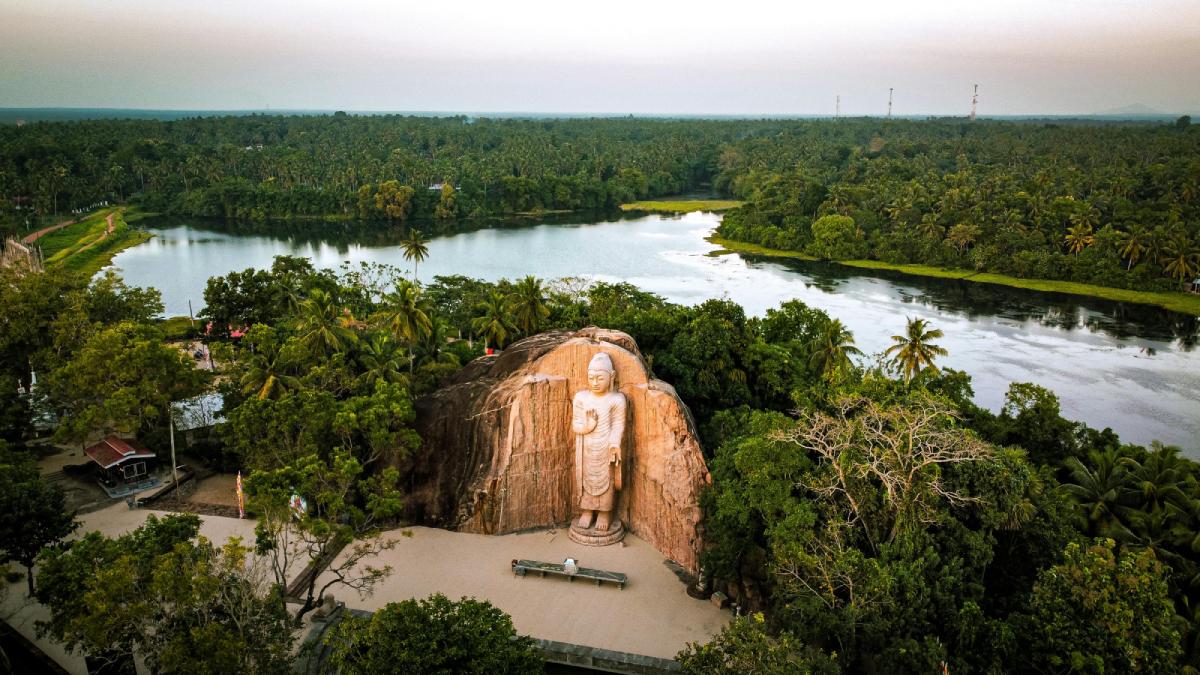
The cultural triangle in the north-central region holds ancient cities like Anuradhapura, Polonnaruwa, and Sigiriya, home to centuries-old temples, massive Buddha statues, and the iconic Sigiriya Rock Fortress. Wildlife enthusiasts can explore numerous national parks where elephants, leopards, and hundreds of bird species roam freely.
This diversity means you can completely change your environment without leaving the country. Tired of beach life? Spend a month in the mountains. Missing the ocean? A few hours by train or bus brings you back. This variety keeps life interesting and helps prevent the monotony that can set in during extended stays in a single location.
Growing Digital Infrastructure
Sri Lanka has made significant strides in developing its digital infrastructure, making it increasingly viable for remote workers. While it may not match the connectivity of Singapore or South Korea, the improvements have been substantial.
Mobile data is fast, affordable, and widely available. Local SIM cards with generous data packages can be purchased for as little as $5-10 per month, offering 4G coverage in most populated areas. Major providers like Dialog, Mobitel, and Hutch offer reliable service, and speeds are generally sufficient for video calls, cloud-based work, and general browsing.
Fiber optic internet has expanded rapidly in urban areas, with speeds of 50-100 Mbps commonly available in cities like Colombo, Kandy, and Galle. Many modern apartments come with high-speed internet included, and prices for standalone connections are reasonable, typically $20-40 per month for good speeds.
Co-working spaces have sprouted in major cities, offering professional environments with reliable internet, meeting rooms, and networking opportunities. Colombo boasts several options, including Hatch, Likuid, and Sprint CoWork, with day passes typically costing $5-10. Coastal areas like Mirissa and Hikkaduwa have also developed co-working spaces catering to the growing nomad community.
Cafes with decent Wi-Fi have become standard in tourist areas and cities. While speeds may vary, most establishments catering to foreigners understand the importance of reliable connectivity and have upgraded accordingly.
Power outages, which were a significant issue in 2022, have largely stabilized, though it’s still wise to have backup solutions like portable chargers and mobile hotspots for critical work deadlines.
Rich Cultural Heritage and Warm Hospitality
Sri Lanka’s cultural wealth spans over 2,500 years, creating an environment where history is tangible and traditions remain vibrant. This cultural richness adds depth to the digital nomad experience, offering more than just a place to work—it provides genuine cultural immersion.
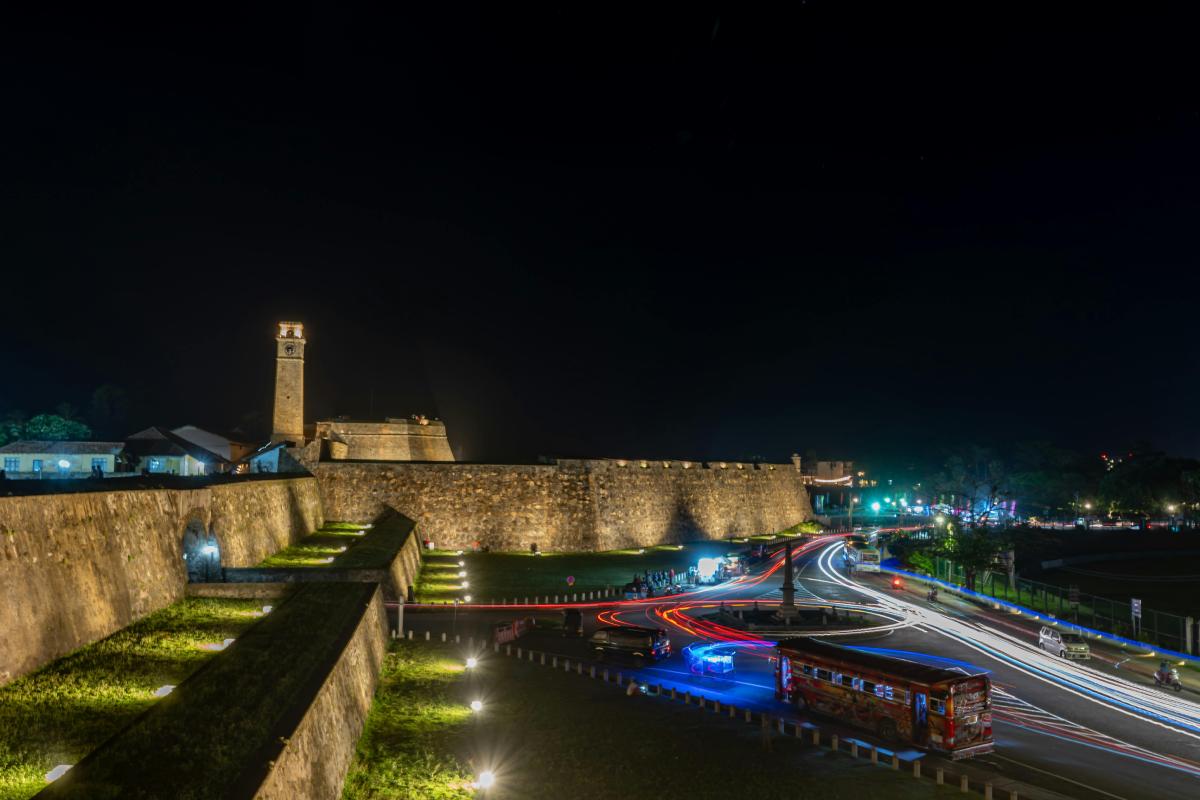
The island is home to eight UNESCO World Heritage Sites, including ancient cities, colonial forts, sacred temples, and biodiverse rainforests. The spiritual traditions of Buddhism permeate daily life, with temples offering peaceful sanctuaries and opportunities for meditation and reflection. The multicultural fabric—comprising Sinhalese, Tamil, Muslim, and Burgher communities—creates a fascinating tapestry of festivals, cuisines, and traditions.
But perhaps Sri Lanka’s greatest asset is its people. Sri Lankans are renowned for their warmth and hospitality, often going out of their way to help visitors. It’s common to receive invitations to family homes, assistance with navigation, or simply friendly conversations from strangers. This genuine warmth makes it easy to feel at home and build meaningful connections beyond the typical tourist experience.
The local work culture, while different from Western norms, offers valuable perspectives on work-life balance. The slower pace and emphasis on relationships over transactions can be refreshing after the hustle of Western corporate environments. Many nomads find that this cultural shift helps them reassess their own priorities and develop a more balanced approach to work and life.
Excellent Food Scene
Sri Lankan cuisine deserves special mention as one of the country’s standout features. The food is bold, flavorful, and diverse, drawing influences from Indian, Dutch, Portuguese, and British culinary traditions while maintaining its own distinct identity.
The national dish, rice and curry, is far more complex than the name suggests. A typical meal includes rice accompanied by multiple curries—dhal, vegetable dishes, fish or meat curries—along with sambols (spicy condiments), pickles, and papadam. The variety is staggering, and you could eat rice and curry daily for months without repetition.
Street food culture thrives throughout the island. Hoppers (bowl-shaped pancakes), kottu roti (chopped roti stir-fried with vegetables and meat), vadai (savory lentil fritters), and samosas provide quick, delicious, and cheap meal options. Fresh tropical fruits like mangoes, papayas, pineapples, and rambutans are abundant and incredibly affordable.
The seafood is exceptional, particularly in coastal areas. Grilled fish, prawn curries, crab dishes, and squid preparations showcase the ocean’s bounty at prices that would shock anyone from Western countries. A massive grilled fish with sides might cost just $5-7.
For those missing Western comforts, major cities offer international restaurants, specialty coffee shops, healthy cafes, and upscale dining options. Colombo’s food scene has evolved significantly, with excellent Japanese, Italian, Thai, and fusion restaurants alongside traditional Sri Lankan establishments.
The tea culture is another highlight. As one of the world’s top tea producers, Sri Lanka offers exceptional Ceylon tea at every turn. Visiting tea plantations in the hill country provides insight into the production process and opportunities to sample some of the finest teas in the world.
Perfect Climate Year-Round
Sri Lanka’s tropical climate and position near the equator create interesting weather patterns that actually work in the digital nomad’s favor. Unlike many tropical destinations with distinct wet and dry seasons, Sri Lanka experiences two monsoon patterns that affect different parts of the island at different times.
The southwest monsoon affects the western and southern coasts from May to September, while the northeast monsoon impacts the northern and eastern coasts from October to January. This means there’s always somewhere in Sri Lanka experiencing good weather, allowing nomads to “chase the sun” by relocating to different regions.
When the south coast experiences heavy rains, the east coast enjoys sunshine. When the north gets wet, the south is perfect. The hill country maintains its cool, pleasant climate year-round, offering an escape from coastal heat regardless of season.
Temperatures remain fairly consistent, with coastal areas averaging 27-30°C (80-86°F) and hill country regions staying cooler at 15-20°C (59-68°F). This consistency makes packing simple and eliminates the need for extensive seasonal wardrobes.
The predictability of weather patterns allows for strategic planning. Digital nomads can structure their stays to follow optimal conditions, spending a few months on the south coast during the dry season, relocating to the east for different waves and weather, then moving to the hills when they need a temperature change.
Growing Nomad Community
While not as established as hubs like Bali or Chiang Mai, Sri Lanka’s digital nomad community is growing rapidly. This emerging scene offers the best of both worlds—enough community for networking and socializing, but not so saturated that the local culture becomes diluted.
Coastal towns like Mirissa, Hikkaduwa, and Arugam Bay have developed small but active nomad communities. Regular meetups, skill-sharing sessions, and social events help newcomers integrate quickly. Facebook groups and WhatsApp communities connect remote workers across the island, facilitating information sharing about accommodation, work spots, and events.
Colombo attracts a different demographic—often more established professionals and entrepreneurs running location-independent businesses. The capital’s co-working spaces serve as natural gathering points, and the city offers networking events, startup meetups, and business conferences.
The smaller nomad presence compared to more famous destinations means less competition for accommodation, quieter cafes for working, and more authentic interactions with locals. You won’t find the “Instagram nomad” culture as prevalent here, attracting those seeking genuine experiences over curated social media content.
Adventure and Wellness Opportunities
Beyond work, Sri Lanka offers extraordinary opportunities for adventure and wellness—crucial elements for maintaining the balance that makes the digital nomad lifestyle sustainable.
Surfing is excellent on both coasts, with spots suitable for all levels. Arugam Bay is world-renowned among surfers, while southern beaches like Weligama offer gentler waves perfect for beginners. Surf lessons and board rentals are affordable, making it easy to incorporate sessions into your daily routine.
Diving and snorkeling reveal vibrant coral reefs and shipwrecks, with sites like Pigeon Island and the waters around Trincomalee offering exceptional underwater experiences. Whale watching in Mirissa provides opportunities to see blue whales, the largest animals on Earth, during their migration season.
Hiking trails range from easy walks to challenging climbs. Adam’s Peak, a pilgrimage site, offers sunrise views after a night climb. Ella Rock and Little Adam’s Peak provide stunning vistas with moderate effort. Numerous waterfalls throughout the island create perfect destinations for afternoon excursions.
The wellness scene is developing rapidly, with yoga retreats, meditation centers, and Ayurvedic spas abundant throughout the island. Traditional Ayurvedic treatments offer holistic healing approaches, while modern yoga studios in cities and beach towns provide classes for all levels. The combination of ancient wisdom and natural beauty creates an ideal environment for those prioritizing mental and physical health.
Visa Considerations and Accessibility
Sri Lanka offers relatively straightforward visa options for digital nomads, though there’s no specific digital nomad visa yet. Most travelers enter on a tourist visa, which can be obtained online as an Electronic Travel Authorization (ETA) before arrival. This initially grants a 30-day stay, extendable to 90 days through the Department of Immigration.
For longer stays, the tourist visa can be extended for up to six months total through a process that, while sometimes bureaucratic, is achievable. Many digital nomads choose to do “visa runs” to nearby countries like India or the Maldives, though this adds complexity and expense.
There’s been discussion about introducing a dedicated digital nomad visa, similar to programs in countries like Portugal and Estonia, which would significantly enhance Sri Lanka’s appeal to remote workers. Current policy appears to be tolerant of digital nomads working remotely for foreign companies, though operating a local business requires proper work permits.
Getting to Sri Lanka is relatively easy from most parts of the world. Colombo’s Bandaranaike International Airport receives flights from major hubs in Asia, the Middle East, and Europe. Budget airlines connect to Indian cities, while full-service carriers link to destinations worldwide. From Southeast Asia, flights are typically 3-5 hours; from Europe, 10-12 hours; and from the Middle East, 4-6 hours.
Conclusion
Sri Lanka represents an exceptional value proposition for digital nomads seeking a destination that combines affordability, natural beauty, cultural richness, and adequate infrastructure. While it may not offer the ultra-modern connectivity of Singapore or the established nomad scenes of Thailand, it provides something increasingly rare—an authentic experience in a country still discovering its identity as a digital nomad hub.
The island’s compact size allows for incredible variety without lengthy travel, while the low cost of living means your money goes further, allowing for more savings or a higher quality of life. The warm hospitality of Sri Lankans transforms a work destination into a genuine home, and the diverse landscapes ensure you’ll never run out of places to explore during your off hours.
As remote work continues to reshape how and where we live, Sri Lanka stands poised to claim its place among the world’s top digital nomad destinations. Those who discover it now will enjoy the advantages of an emerging scene—affordable prices, authentic cultural experiences, and the satisfaction of exploring a path less traveled. Whether you’re seeking beach life, mountain tranquility, urban energy, or all three, Sri Lanka delivers with a warmth and charm that’s hard to find elsewhere.
For digital nomads willing to embrace a destination that’s still developing its remote work infrastructure but overflowing with natural beauty, cultural depth, and genuine hospitality, Sri Lanka might just be the perfect place to set up your laptop and call home—at least for a while.