Over the past few years, the world has seen a major shift toward remote work and location-independent lifestyles. Digital nomads are no longer limited to expensive cities like London, New York, or Singapore. Instead, many are searching for affordable, beautiful, and culturally rich destinations where they can work online while enjoying a better quality of life. Among the rising destinations in Asia, Sri Lanka has become one of the most attractive options for digital nomads.
Is Sri Lanka Good for Digital Nomads?
With tropical beaches, scenic mountains, affordable living costs, friendly locals, and improving internet infrastructure, Sri Lanka offers a unique experience for remote workers. Whether you are a freelance designer, software developer, content creator, entrepreneur, or online teacher, the island provides a balance between productivity and adventure.
But is Sri Lanka truly a good destination for digital nomads? The answer depends on several factors, including cost of living, internet reliability, visa options, safety, coworking spaces, transportation, and lifestyle. This article explores everything you need to know before choosing Sri Lanka as your next remote work destination.
Why Digital Nomads Are Choosing Sri Lanka
Sri Lanka has gained popularity among remote workers because it combines natural beauty with affordability. Unlike many overcrowded digital nomad hubs, Sri Lanka still feels authentic and less commercialised.
Digital nomads can spend the morning working from a beach café, surf during sunset, and explore ancient temples or tea plantations on weekends. The country offers a slower pace of life compared to many Western cities, making it ideal for people seeking balance and reduced stress.
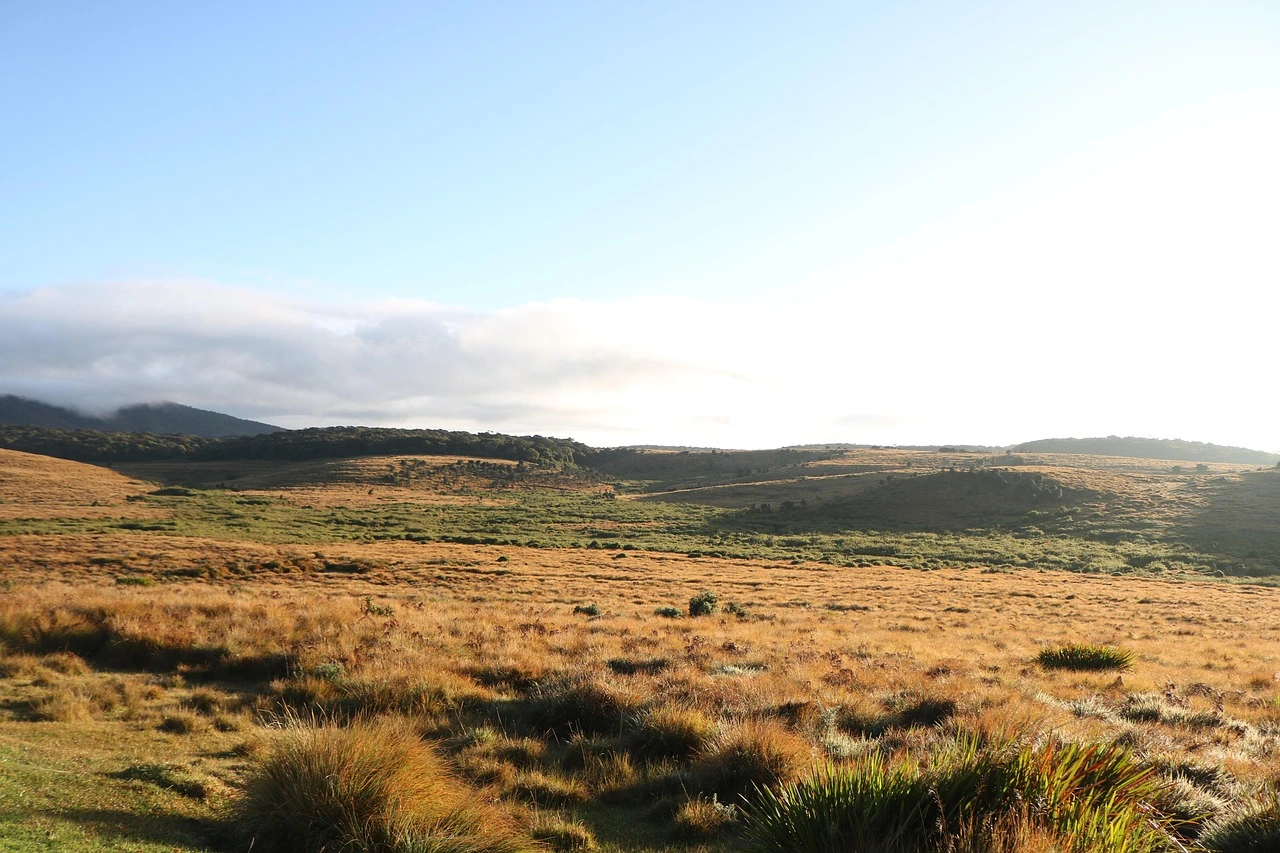
The island also provides incredible diversity within a small geographical area. In just a few hours, you can travel from tropical beaches to cool mountain towns or wildlife-rich national parks. This variety keeps long-term stays exciting and enjoyable.
Affordable Cost of Living
One of the biggest reasons digital nomads choose Sri Lanka is affordability. Compared to Europe, North America, or even parts of Southeast Asia, Sri Lanka remains relatively budget-friendly.
Accommodation options range from budget hostels and guesthouses to luxury villas and beachfront apartments. Many remote workers rent monthly stays in surf towns or cities at reasonable prices.
Typical monthly expenses for a digital nomad in Sri Lanka may include:
- Accommodation: $250–$900
- Food: $150–$400
- Transportation: $50–$150
- Coworking spaces: $50–$200
- Mobile internet: $10–$30
A comfortable lifestyle can often be maintained for under $1,200 per month, depending on your location and preferences.
Local food is especially affordable. Rice and curry meals, fresh tropical fruits, seafood, and street food are widely available at low prices. Western-style cafés and restaurants cost more but are still cheaper than in many Western countries.
Best Places for Digital Nomads in Sri Lanka
Sri Lanka offers several excellent locations for remote workers. Each area has its own atmosphere and advantages.
Colombo
Colombo is the commercial capital and the most developed city in Sri Lanka. It offers the best infrastructure, reliable internet, coworking spaces, cafés, hospitals, and business services.
Colombo is ideal for digital nomads who prefer urban convenience. The city has modern apartments, shopping malls, nightlife, and networking opportunities. Many international businesses and startups operate here, making it suitable for entrepreneurs and professionals.
Popular coworking spaces and cafés in Colombo provide stable Wi-Fi and comfortable work environments.
However, Colombo can feel busy and crowded compared to beach destinations.
Weligama and Mirissa
Weligama and Mirissa are among the most popular beach towns for digital nomads.
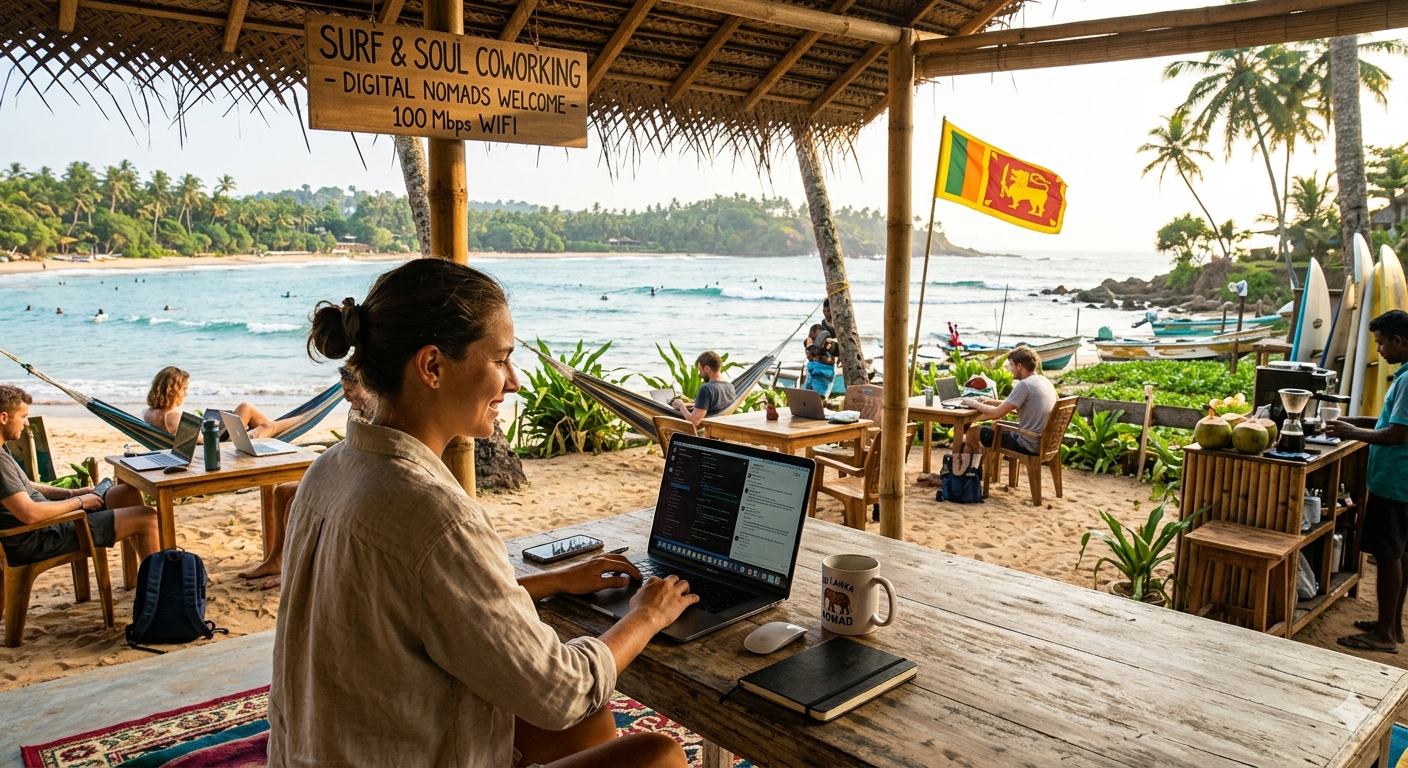
These towns are famous for surfing, relaxed lifestyles, beach cafés, and strong nomad communities. Many remote workers stay here for months during the surf season.
The atmosphere is social and laid-back. You will find coworking cafés, yoga studios, healthy food options, and networking opportunities with travellers from around the world.
Internet quality has improved significantly in recent years, although occasional power cuts or connectivity issues may still happen.
Ahangama
Ahangama has rapidly become a digital nomad hotspot. It combines surf culture, boutique accommodations, coworking spaces, and stylish cafés.
Many entrepreneurs, freelancers, and creatives choose Ahangama because it offers a balance between productivity and tropical living. The town is quieter than larger tourist areas while still providing good amenities.
Ella
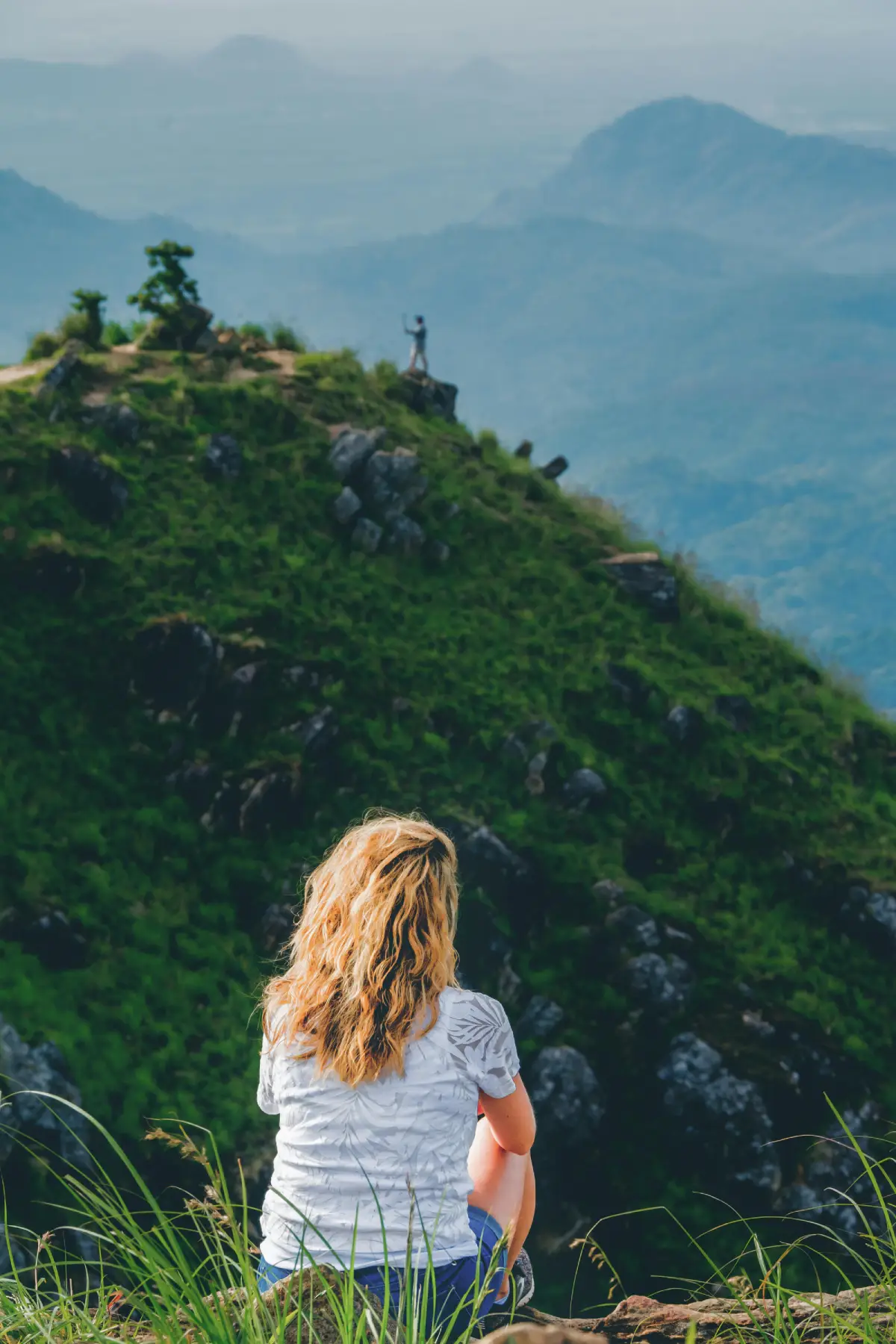
Ella is a mountain town surrounded by tea plantations and hiking trails.
Digital nomads who enjoy cooler weather and nature often prefer Ella. The town has beautiful scenery, cafés with mountain views, and a peaceful atmosphere perfect for focused work.
However, internet speeds may not be as reliable as in Colombo or coastal areas.
Kandy
Kandy is another attractive option. Known for its cultural heritage and cooler climate, Kandy offers a mix of city life and natural beauty.
It is less touristy than beach towns and can provide a more authentic Sri Lankan experience.
Internet and Connectivity
Reliable internet is essential for digital nomads, and Sri Lanka has improved considerably in this area.
Major cities and tourist destinations generally have access to 4G mobile internet and fibre connections. Mobile data packages are affordable and widely available from providers such as Dialogue and Mobitel.
Many nomads use mobile hotspots as backup connections because occasional Wi-Fi interruptions can occur.
Internet quality is usually sufficient for:
- Video calls
- Content uploading
- Cloud-based work
- Streaming
- Remote collaboration
However, remote mountain regions or smaller villages may experience slower speeds and unstable connections.
Power outages can also happen occasionally, especially during heavy rain or infrastructure issues. Many coworking spaces and modern accommodations now use generators or backup power systems to reduce disruptions.
Coworking Spaces and Cafés
The coworking culture in Sri Lanka is growing quickly. Colombo has the highest number of professional coworking spaces, while beach towns are developing remote-work-friendly cafés and community hubs.
Many digital nomads enjoy working from cafés because of the relaxed atmosphere and ocean views. Beachfront cafés on the south coast often cater specifically to remote workers with charging points, strong Wi-Fi, and comfortable seating.
Coworking spaces also help nomads network with other professionals and entrepreneurs.
Some accommodations even include dedicated workspaces and business-friendly facilities designed for long-term remote workers.
Visa Situation for Digital Nomads
Sri Lanka offers tourist visas and electronic travel authorisation systems that are relatively simple for many nationalities.
While Sri Lanka does not yet have a dedicated digital nomad visa similar to countries like Portugal or Estonia, many remote workers stay using tourist visa extensions.
Visa regulations can change, so travellers should always check the latest immigration policies before arrival.
Many nomads initially enter with a short-term tourist visa and extend it if they decide to stay longer.
The government has shown interest in attracting more remote workers and long-stay visitors, which may lead to improved digital nomad visa options in the future.
Safety and Security
Sri Lanka is generally considered safe for tourists and digital nomads. The local people are known for hospitality and friendliness.
Violent crime rates against tourists are relatively low, especially in popular travel areas. However, like any destination, travellers should remain aware of their surroundings and take standard precautions.
Important safety tips include:
- Avoid displaying expensive items openly
- Use trusted transportation services
- Secure valuables in accommodations
- Be cautious in isolated areas at night
- Respect local customs and traditions
Female digital nomads often travel successfully throughout Sri Lanka, though solo travellers should still exercise normal caution.
Natural risks such as strong ocean currents, monsoon weather, and wildlife encounters should also be considered.
Transportation Around the Island
Sri Lanka offers various transportation options, though traffic can sometimes be chaotic.
Popular transport methods include:
- Trains
- Tuk-tuks
- Buses
- Private taxis
- Scooter rentals
The train journeys are especially famous for their scenic beauty. Routes through tea plantations and mountains are considered among the world’s most beautiful train rides.
Scooter rentals are common in beach towns and offer freedom for exploring nearby areas. However, road conditions and driving styles may feel challenging for some foreigners.
Apps similar to ride-sharing services are available in larger cities like Colombo.
Because Sri Lanka is relatively small, many destinations can be reached within a few hours.
Lifestyle and Work-Life Balance
Sri Lanka is excellent for work-life balance. The island encourages an outdoor and healthy lifestyle.
Digital nomads can enjoy:
- Surfing
- Yoga
- Hiking
- Wildlife safaris
- Whale watching
- Meditation retreats
- Beach relaxation
- Cultural exploration
The warm climate and natural surroundings create a relaxing environment that many remote workers find inspiring.
Sri Lanka also has a strong café culture in tourist areas, offering healthy meals, smoothie bowls, fresh juices, and international cuisine.
Weekend travel opportunities are endless. Remote workers can visit ancient cities, waterfalls, rainforests, national parks, and hidden beaches without needing long-distance flights.
Food and Culture
Sri Lankan food is flavourful, affordable, and diverse. Traditional rice and curry meals include vegetables, seafood, lentils, and spicy sambols.
Popular local dishes include:
- Kottu roti
- Hoppers
- String hoppers
- Seafood curry
- Coconut sambol
Vegetarian and vegan options are widely available because of the country’s cultural and religious influences.
Sri Lanka also has a rich cultural heritage shaped by Buddhism, Hinduism, colonial history, and local traditions.
Digital nomads who respect local customs are usually welcomed warmly by communities.
Learning a few Sinhala or Tamil phrases can also improve interactions with locals.
Challenges Digital Nomads May Face
Despite its advantages, Sri Lanka is not perfect for everyone.
Some common challenges include:
Occasional Internet Problems
Although internet quality has improved, occasional outages or slower speeds can affect work, especially outside cities.
Power Cuts
Some regions may experience power interruptions, though this has improved in recent years.
Tropical Climate
Sri Lanka is hot and humid in many areas. Some digital nomads may need time to adjust.
Transportation Delays
Traffic congestion and slower public transport can make travel unpredictable.
Limited Infrastructure in Rural Areas
While tourist hubs are well-equipped, remote regions may lack modern facilities or consistent services.
Seasonal Tourism
Some coastal towns become extremely busy during peak seasons and quieter during monsoons.
Is Sri Lanka better than Bali or Thailand?
Many people compare Sri Lanka to famous digital nomad hubs like Thailand or Bali.
Sri Lanka offers several advantages:
- Less overcrowded
- More authentic local culture
- Diverse landscapes within short distances
- Strong surf culture
- Affordable living costs
However, Bali and Thailand still offer more advanced digital nomad infrastructure, larger coworking communities, and more established visa systems.
Sri Lanka is ideal for nomads who want adventure, nature, and a less commercialised experience rather than a highly developed remote-work ecosystem.
Best Time to Visit Sri Lanka
Sri Lanka’s weather varies depending on the region due to different monsoon seasons.
Generally:
- South and west coasts are best from December to April
- The east coast is best from May to September
- Hill country can be visited year-round with cooler temperatures
Digital nomads often move around the island depending on the season.
Final Verdict: Is Sri Lanka Good for Digital Nomads?
Yes, Sri Lanka is a very good destination for digital nomads, especially for those seeking affordability, natural beauty, adventure, and a relaxed lifestyle.
The island may not yet have the ultra-developed remote work infrastructure of Bali or Chiang Mai, but it offers something more authentic and unique. With improving internet access, growing coworking communities, affordable living costs, and incredible travel opportunities, Sri Lanka is becoming one of Asia’s most exciting destinations for remote workers.
Digital nomads who are flexible, adventurous, and open to occasional challenges will likely fall in love with the island’s charm. Whether you prefer surfing on the south coast, networking in Colombo, or working from a mountain café in Ella, Sri Lanka provides an unforgettable experience that combines productivity with exploration.
For many remote workers, Sri Lanka is not just a temporary workspace — it becomes a lifestyle destination filled with culture, warmth, and inspiration.