Sri Lanka, the teardrop-shaped island nation in the Indian Ocean, has long captivated travelers with its stunning landscapes, rich cultural heritage, and warm hospitality. As we look ahead to 2026, this enchanting destination continues to evolve and improve, offering even more compelling reasons to add it to your travel bucket list. From pristine beaches and ancient temples to wildlife safaris and world-class tea plantations, Sri Lanka delivers an unforgettable experience that rivals any destination in Southeast Asia or beyond. Here are the top 10 reasons why 2026 is the perfect year to discover this island paradise. Top 10 Reasons to Visit Sri Lanka in 2026.
1. Incredible Value for Your Travel Dollar
In an era of increasingly expensive international travel, Sri Lanka stands out as a destination where your money stretches remarkably far. The country offers exceptional value across accommodations, dining, transportation, and activities, making it accessible to travelers with varying budgets. From boutique guesthouses nestled in the hill country to beachfront resorts along the southern coast, you’ll find quality lodging at prices that would barely cover a basic hotel room in many Western destinations.
Local cuisine is not only delicious but also incredibly affordable. A hearty meal of rice and curry, complete with multiple vegetable dishes, dhal, and sambols, can cost just a few dollars at a local restaurant. Even upscale dining experiences remain reasonably priced compared to other popular tourist destinations. Transportation is equally economical, whether you choose to travel by train through the scenic highlands, hire a tuk-tuk for short distances, or book a private driver for multi-day tours.
The favorable exchange rates and lower cost of living mean that travelers can upgrade their experiences without breaking the bank. This might mean staying in heritage properties, booking wildlife safaris, taking cooking classes, or splurging on ayurvedic spa treatments—experiences that create lasting memories without the guilt of overspending.
2. Eight UNESCO World Heritage Sites in One Small Island
Despite its compact size, Sri Lanka boasts an impressive eight UNESCO World Heritage Sites, offering a concentration of cultural and natural wonders that few destinations can match. This remarkable density means you can explore multiple sites during a single trip without spending excessive time in transit.
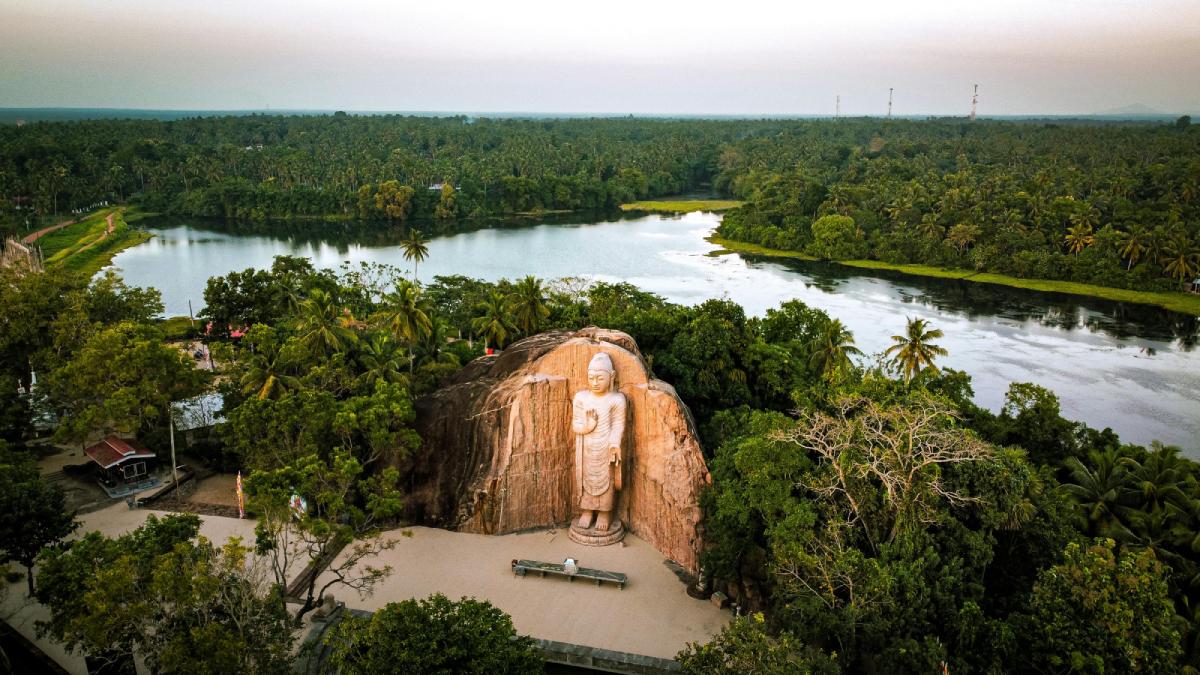
The ancient cities of Anuradhapura and Polonnaruwa showcase the island’s Buddhist heritage, with magnificent stupas, intricate stone carvings, and palace ruins that date back over two millennia. Sigiriya, perhaps the most iconic site, features a massive rock fortress rising 200 meters above the surrounding jungle, complete with ancient frescoes and the remains of a 5th-century palace at its summit. The nearby Dambulla Cave Temple houses an extraordinary collection of Buddha statues and murals within five cave sanctuaries.
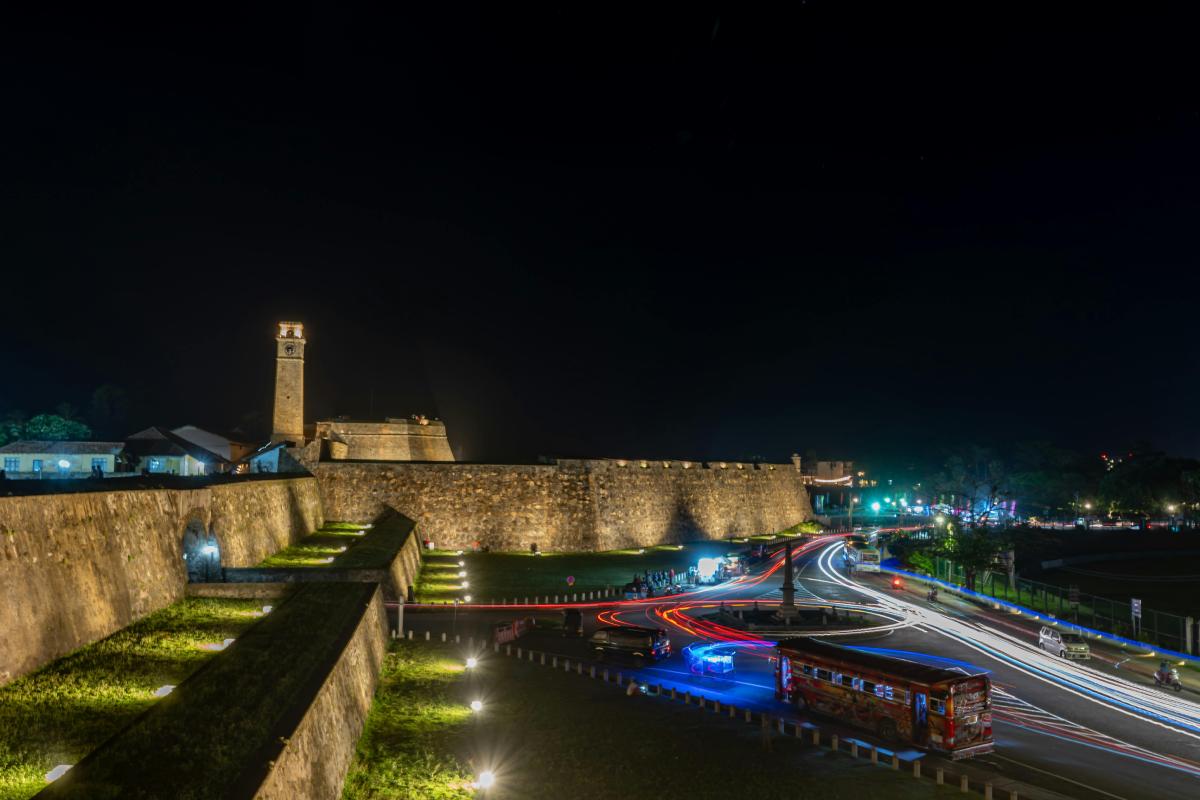
The sacred city of Kandy, home to the Temple of the Tooth Relic, serves as the cultural heart of Sri Lanka and hosts the spectacular Esala Perahera festival each year. The old town of Galle, with its well-preserved Dutch colonial fort, offers a charming blend of European architecture and South Asian atmosphere. Meanwhile, the Sinharaja Forest Reserve and the Central Highlands, including Horton Plains and the Knuckles Range, protect incredible biodiversity and pristine ecosystems.
Having such diverse heritage sites within easy reach allows travelers to craft journeys that combine ancient history, colonial architecture, spiritual experiences, and natural beauty—all within a country roughly the size of Ireland.
3. Wildlife Encounters That Rival Africa
While Africa typically dominates conversations about wildlife safaris, Sri Lanka offers equally thrilling animal encounters in a more intimate and accessible setting. The island hosts one of the highest densities of leopards in the world, particularly in Yala National Park, where your chances of spotting these elusive big cats are remarkably high. Unlike many African reserves where predator sightings can be hit-or-miss, Yala consistently delivers leopard encounters that leave visitors awestruck.
Beyond leopards, Sri Lanka is home to large populations of Asian elephants, which can be observed in their natural habitat across multiple national parks, including Udawalawe, Minneriya, and Kaudulla. The famous elephant gatherings at Minneriya during the dry season bring hundreds of elephants together around a central reservoir, creating one of Asia’s most spectacular wildlife events.
The island’s biodiversity extends to its marine life as well. The southern and eastern coasts provide opportunities to spot blue whales, sperm whales, and multiple dolphin species. Mirissa and Trincomalee have emerged as prime whale-watching destinations, with the blue whale encounters being particularly memorable given these creatures are the largest animals ever to have lived on Earth.
Birdwatchers will find themselves in paradise, with over 400 bird species recorded on the island, including numerous endemics found nowhere else on Earth. From the Ceylon junglefowl to the Sri Lanka blue magpie, the island’s avian diversity adds another layer to its wildlife appeal. All of this comes with the advantage of shorter travel distances between parks and more affordable safari costs compared to African alternatives.
4. Beach Paradise for Every Type of Traveler
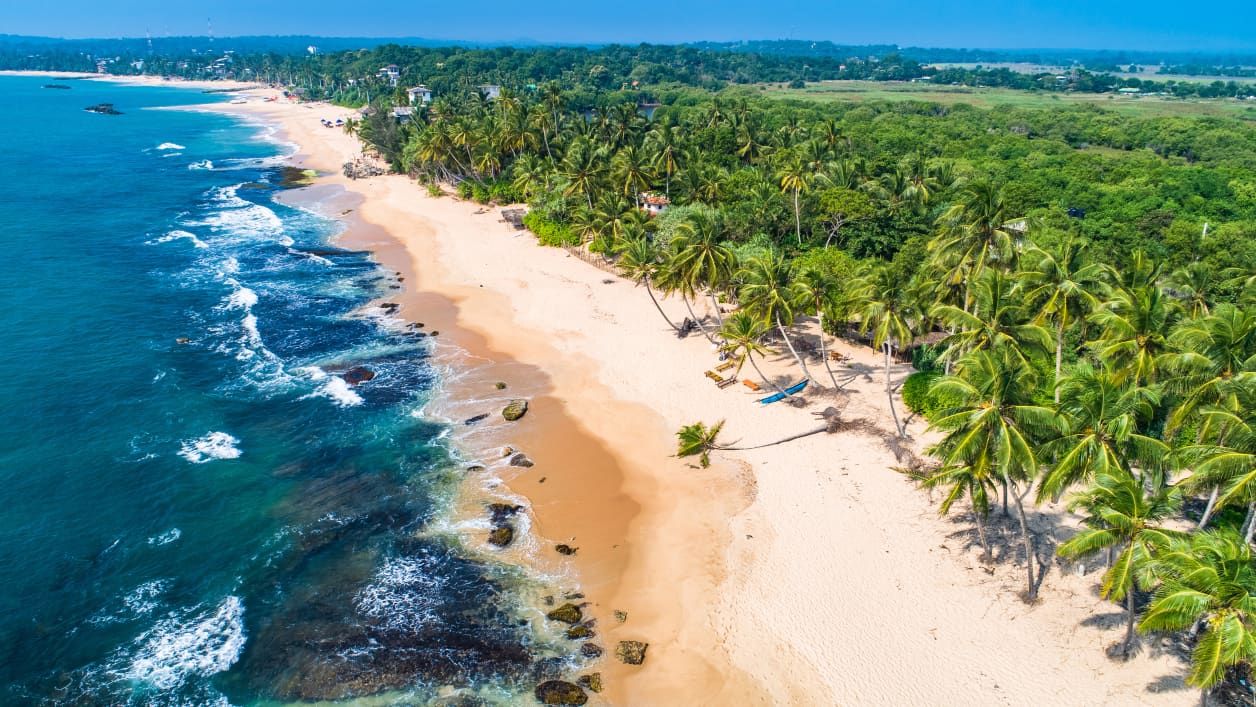
Sri Lanka’s coastline, stretching over 1,300 kilometers, offers an extraordinary variety of beach experiences to suit every preference and travel style. The southern coast features the island’s most developed beach areas, with Mirissa, Unawatuna, and Hikkaduwa offering a perfect blend of golden sand, gentle waves, and beach-side cafes. These areas cater to those seeking social scenes, water sports, and easy access to amenities.
For surfers, Arugam Bay on the east coast has earned international recognition as one of Asia’s premier surf destinations, with consistent waves that attract board riders from around the globe. The season runs from April to October, offering an alternative to the west coast during its monsoon months. Beginners can find gentle breaks at places like Weligama, where numerous surf schools make learning accessible and fun.
Those seeking tranquility will find untouched stretches along the eastern and northern coasts, where development remains minimal and beaches retain their pristine character. Nilaveli and Uppuveli near Trincomalee offer powder-white sand and crystal-clear waters with far fewer crowds than the southern beaches. Pasikuda’s shallow bay creates an ideal setting for families with young children.
The west coast, particularly around Negombo and Bentota, provides convenient beach access for those with limited time, being just a short drive from Colombo. Meanwhile, the emerging northwest coast around Kalpitiya offers something entirely different—a landscape of lagoons and sandbars perfect for kitesurfing and dolphin watching. With year-round beach weather somewhere on the island thanks to alternating monsoons, Sri Lanka ensures that every traveler can find their ideal coastal escape.
5. The World’s Most Scenic Train Journeys
Few travel experiences rival the magic of traversing Sri Lanka’s hill country by train. The journey from Kandy to Ella, consistently rated among the world’s most beautiful train rides, takes passengers through a landscape of emerald tea plantations, misty mountains, cascading waterfalls, and picturesque villages that seem frozen in time.
This railway, built during British colonial rule in the late 19th century, winds its way through the Central Highlands, offering constantly changing vistas that have travelers glued to the windows or standing in open doorways for unobstructed views. The route passes through dozens of tunnels and over historic bridges, including the famous Nine Arch Bridge in Ella, an engineering marvel constructed entirely from stone and brick without any steel support.
The train journey itself becomes a social experience, with locals and travelers sharing seats, stories, and fresh fruit bought from vendors at station stops. Second and third-class tickets are incredibly affordable and provide a more authentic experience, though first-class observation cars offer greater comfort for those who prefer it. The leisurely pace, which can take six to seven hours to cover roughly 150 kilometers, adds to the charm rather than detracting from it.
Beyond the Kandy-Ella route, the coastal line from Colombo to Galle hugs the shoreline for much of the journey, providing stunning ocean views and glimpses of daily life in Sri Lanka’s fishing villages. These train journeys offer not just transportation but a window into the soul of the country, making them essential experiences for any visitor.
6. Tea Country and Colonial Hill Stations
Sri Lanka’s reputation as a producer of some of the world’s finest tea is well deserved, and visiting the tea country provides insight into this important industry while showcasing some of the island’s most beautiful landscapes. The Central Highlands, particularly around Nuwara Eliya, Ella, and Haputale, transform into a sea of manicured green tea bushes blanketing the hillsides, creating a scene that’s both visually stunning and culturally significant.
Nuwara Eliya, often called “Little England,” retains its British colonial character with Tudor-style hotels, a golf course, and cooler temperatures that provided respite for colonial administrators. The town serves as an excellent base for exploring nearby tea estates, where visitors can tour factories to see the tea-making process from leaf to cup, learn about the grading system, and sample different varieties while overlooking the plantations.
The experience goes beyond mere tourism. Many estates offer the opportunity to stay in converted plantation bungalows, providing an immersive experience where you wake to mist-covered mountains and the sight of tea pluckers carefully selecting leaves. These accommodations range from heritage properties with period furnishings to modern boutique hotels that blend contemporary comfort with historical charm.
The tea country also offers excellent hiking opportunities. Horton Plains National Park, accessible from Nuwara Eliya, features the dramatic World’s End cliff with its sheer 880-meter drop and stunning views across the lowlands to the southern coast. The early morning hike through this unique ecosystem, with its montane grasslands and cloud forests, ranks among Sri Lanka’s most rewarding outdoor adventures. The combination of scenic beauty, cultural significance, and unique accommodations makes the tea country an essential component of any Sri Lankan journey.
7. Ancient Cities and Archaeological Wonders
Sri Lanka’s archaeological heritage tells the story of sophisticated civilizations that flourished on the island for over two thousand years. The Cultural Triangle, comprising the ancient cities of Anuradhapura, Polonnaruwa, and surrounding sites, offers some of the most significant Buddhist monuments outside of India and provides a fascinating glimpse into the island’s royal past.
Anuradhapura, the first capital of Sri Lanka, served as the seat of power for over a millennium and contains some of the oldest continuously inhabited ruins in the world. The sacred Bo Tree, grown from a cutting of the tree under which Buddha attained enlightenment, has been tended continuously for over 2,300 years. Massive dagobas (stupas) dominate the landscape, with the Jetavanarama stupa originally standing even taller than some Egyptian pyramids.
Polonnaruwa, the medieval capital that succeeded Anuradhapura, showcases exceptional stone sculpture and architecture. The Gal Vihara, featuring four Buddha figures carved from a single granite wall, represents one of the masterpieces of Sinhalese art. The ruins of the royal palace, audience halls, and irrigation systems demonstrate the engineering sophistication of these ancient civilizations.
Sigiriya, while famous for its rock fortress, also tells a dramatic story of palace intrigue and political upheaval. King Kashyapa, who allegedly murdered his father to claim the throne, constructed this incredible fortress city in the 5th century, only to reign for 18 years before being defeated in battle. The site combines natural wonder with human ambition in a way that continues to captivate visitors.
These archaeological sites aren’t just collections of old stones—they’re places where history comes alive through the stories of kings and queens, monks and warriors, artists and engineers who shaped Sri Lanka’s identity. Exploring them with knowledgeable guides transforms the experience from simple sightseeing into a journey through time.
8. Culinary Adventures and Food Culture
Sri Lankan cuisine, while influenced by Indian, Portuguese, Dutch, and British colonial traditions, has evolved into something distinctly its own. The food culture centers around rice and curry, but this simple description fails to capture the complexity and variety that characterizes the island’s gastronomy. A typical Sri Lankan meal includes rice accompanied by multiple curries—vegetable, meat, or fish—each with its unique spice blend and cooking method, plus sambols, pickles, and papadums.
The spice palette differs from Indian cooking, with Sri Lankan dishes featuring unique combinations of cinnamon, cardamom, cloves, and curry leaves, often tempered with coconut milk for richness. Hoppers (appa), bowl-shaped pancakes made from fermented rice flour and coconut milk, are a beloved breakfast item, especially when topped with an egg. String hoppers, steamed rice noodle nests, provide another carbohydrate alternative to rice.
Coastal areas showcase the island’s seafood bounty, with fish and crab prepared in fiery curries that reflect the Portuguese influence on Sri Lankan cooking. Jaffna, in the north, offers Tamil cuisine with its own distinct flavors and preparations, including palmyrah-based dishes and intensely spiced curries that differ from the southern preparations.
Street food culture thrives throughout the island, from kottu roti (chopped roti mixed with vegetables, eggs, and meat on a hot griddle) to isso wade (crispy lentil fritters with whole prawns). Night markets and beach-side stalls offer opportunities to sample these dishes in casual settings where locals gather.
For those wanting to delve deeper, cooking classes have become increasingly popular, allowing visitors to learn the art of grinding spices, cooking over a wood fire, and creating the perfect coconut sambol. These experiences, often held in home kitchens or at boutique hotels, provide cultural insights that extend far beyond the plate. The combination of bold flavors, fresh ingredients, and cultural significance makes Sri Lankan cuisine a reason to visit in itself.
9. Warm Hospitality and Safe Travel
One of Sri Lanka’s greatest assets is its people, whose genuine warmth and hospitality create lasting impressions on visitors. The concept of “Ayubowan”—a greeting that means “may you have a long life”—reflects the welcoming spirit that characterizes interactions throughout the island. Locals often go out of their way to help travelers, whether providing directions, recommending restaurants, or simply engaging in friendly conversation.
This hospitality extends across all levels of tourism infrastructure. From tuk-tuk drivers to hotel staff, there’s a pride in sharing the country’s beauty and culture with visitors. English is widely spoken, particularly in tourist areas, making communication easy and enhancing the travel experience. The education system’s emphasis on English means that even in remote areas, travelers can usually find someone who can help with translations or directions.
Safety-wise, Sri Lanka has emerged as one of the more secure destinations in Asia for travelers. Violent crime against tourists is rare, and the country has worked hard to rebuild its tourism industry with enhanced security measures. Women travelers, including solo female travelers, generally report feeling safe, though the usual precautions advised for any international travel apply.
The tourism infrastructure has matured significantly, with improved roads, better signage, and more professional tour operators making travel logistics smoother than ever. Digital payment options have expanded, reliable wifi is common in tourist areas, and the availability of SIM cards with data plans makes staying connected easy and affordable. This combination of genuine warmth and improving infrastructure creates a travel environment where visitors feel both welcomed and well cared for.
10. Compact Size Means More Experiences in Less Time
One of Sri Lanka’s most practical advantages is its manageable size, roughly 65,000 square kilometers, which allows travelers to experience incredible diversity without spending excessive time in transit. Unlike larger countries where meaningful exploration requires months, Sri Lanka’s highlights can be experienced in a well-planned two to three-week journey, making it ideal for those with limited vacation time.
A typical itinerary might begin in Colombo, progress to the Cultural Triangle for ancient sites, continue to Kandy for cultural immersion, wind through the tea country via the famous train journey, head to the southern beaches for relaxation, and conclude with whale watching or surfing—all without any single journey exceeding six hours. This diversity within proximity means you can experience coastal beaches, mountain landscapes, wildlife safaris, cultural sites, and culinary adventures all in one trip.
The compact nature also reduces travel fatigue. Instead of enduring long flights between destinations as you might in Australia or lengthy bus journeys as in India, Sri Lankan travel remains comfortable and manageable. Even the journey from the coolest hill stations to the warmest beaches takes just a few hours, allowing you to experience dramatic climate and landscape changes within a single day.
For travelers interested in specific activities, this concentrated geography means you can base yourself in a central location and take day trips rather than constantly changing accommodations. Kandy, Ella, or Galle can serve as hubs from which to explore surrounding areas, reducing the hassle of packing and unpacking while maximizing your time actually experiencing the destination.
sri lankaThis efficiency doesn’t mean Sri Lanka lacks depth—quite the contrary. The compact size means you can return to explore regions more thoroughly, discover lesser-known areas, or simply move at a more relaxed pace, spending more time engaging with local communities and understanding the culture beyond surface-level tourism.
Top 10 Reasons to Visit Sri Lanka in 2026
As 2026 approaches, Sri Lanka stands ready to welcome travelers seeking authentic experiences, natural beauty, cultural richness, and genuine value. The country has successfully balanced development with preservation, making it more accessible than ever while retaining the charm and authenticity that make it special.
Whether you’re drawn by the promise of wildlife encounters, the allure of pristine beaches, the fascination with ancient history, or simply the desire to explore a destination that remains off the beaten path compared to neighboring countries, Sri Lanka delivers on all counts. The combination of affordability, safety, diversity, and hospitality creates a travel experience that exceeds expectations and leaves visitors already planning their return before they’ve even departed.
2026 offers the perfect timing to discover this island paradise. The tourism infrastructure continues improving, new boutique accommodations are opening in previously under-visited areas, and the country remains eager to share its treasures with the world. Whether you’re a solo adventurer, a couple seeking romance, a family wanting diverse experiences, or a group of friends ready for adventure, Sri Lanka welcomes you with open arms and promises memories that will last a lifetime.
Don’t wait—start planning your Sri Lankan adventure for 2026 today. This teardrop island in the Indian Ocean is calling, and those who answer that call discover not just a destination, but a place that captures their heart and stays with them forever.